Karnataka's Budget Unveils Sweeping Excise Reforms, Industry Leaders Applaud
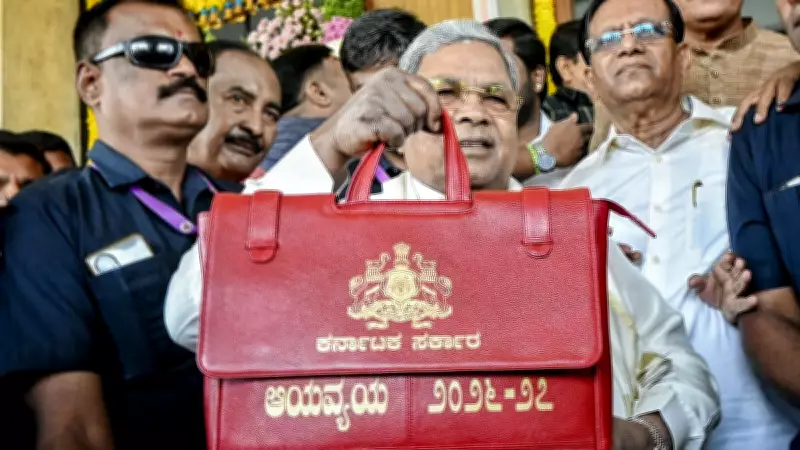
The Karnataka government's recent budget presentation has introduced a series of significant excise reforms, which have been met with widespread approval from key players in the alcoholic beverage sector. Major industry bodies, including the Confederation of Indian Alcoholic Beverage Companies (CIABC) and the Brewers Association of India (BAI), have formally welcomed these policy changes, highlighting their potential to streamline operations and foster growth within the state's liquor industry.
Industry Bodies Voice Support for Progressive Measures
In official statements released following the budget announcement, both CIABC and BAI praised the Karnataka government for its forward-thinking approach to excise regulation. The reforms are seen as a crucial step towards modernizing the state's alcohol taxation and distribution systems, which have long been in need of revision. Industry representatives emphasized that these changes could lead to improved compliance, reduced administrative burdens, and enhanced market stability for manufacturers and distributors alike.
The excise reforms are expected to address several longstanding issues within the sector, including complex licensing procedures and inconsistent tax structures. By simplifying these processes, the government aims to create a more transparent and efficient environment for businesses operating in Karnataka. This move is particularly significant given the state's prominent role in India's alcoholic beverage market, contributing substantially to both economic output and employment.
Key Highlights of the Karnataka Budget Reforms
The budget proposals include a range of measures designed to overhaul the excise framework. While specific details are still being analyzed, initial reports suggest that the reforms focus on rationalizing tax rates, introducing digital systems for license management, and enhancing enforcement mechanisms to curb illicit trade. These initiatives are aligned with broader economic goals of boosting revenue collection while supporting legitimate industry players.
Industry experts note that such reforms could set a precedent for other states in India, encouraging similar updates to outdated excise policies nationwide. The positive response from CIABC and BAI underscores the collaborative effort between the government and private sector to drive sustainable development in this key industry.
As Karnataka implements these changes, stakeholders will be closely monitoring their impact on market dynamics and economic indicators. The successful execution of these excise reforms could pave the way for increased investment and innovation in the alcoholic beverage sector, further solidifying the state's position as a leader in this domain.