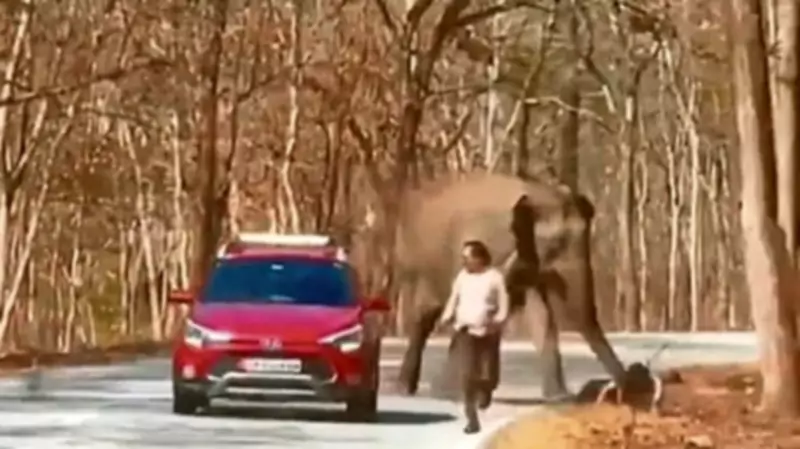
Karnataka Budget 2026 Unveils Major Push for Wildlife Conflict Resolution and Afforestation
The Karnataka government has announced a substantial allocation in its 2026 budget specifically aimed at tackling the escalating issue of human-wildlife conflict and promoting large-scale afforestation across the state. This strategic move underscores the administration's commitment to environmental conservation and safeguarding both rural communities and biodiversity.
Comprehensive Strategy to Mitigate Human-Wildlife Conflict
A significant portion of the budget is dedicated to implementing a multi-faceted approach to reduce incidents of human-wildlife conflict, which has been on the rise in regions bordering forests and protected areas. The plan includes the installation of advanced early warning systems, such as sensor-based alarms and drone surveillance, to alert villagers about animal movements near human settlements.
Furthermore, the government will invest in constructing and reinforcing physical barriers, including solar-powered fences and trenches, around vulnerable agricultural lands and villages. Compensation schemes for crop damage and livestock losses caused by wildlife will be streamlined and enhanced to provide quicker relief to affected farmers, thereby reducing economic hardships and fostering coexistence.
Ambitious Afforestation Drive to Boost Green Cover
In parallel, the budget outlines an ambitious afforestation initiative targeting the planting of millions of native tree species over the next few years. This effort is designed to increase the state's forest cover, which plays a crucial role in carbon sequestration, soil conservation, and maintaining ecological balance. The afforestation program will focus on degraded forest lands, urban areas, and alongside highways to create green corridors that support wildlife habitats.
The initiative also includes community participation components, encouraging local residents, schools, and non-governmental organizations to engage in tree-planting activities. This participatory approach aims to raise environmental awareness and ensure the long-term sustainability of the newly planted forests through regular monitoring and maintenance.
Integrated Conservation and Community Welfare
By addressing both wildlife conflict and afforestation, the Karnataka budget 2026 adopts an integrated conservation model that links ecological health with community welfare. Experts highlight that reducing conflict through preventive measures can decrease retaliatory killings of animals, while expanding forest areas provides essential habitats, potentially lowering animal incursions into human territories.
The budgetary provisions reflect a proactive stance in aligning with national and global environmental goals, such as India's commitments under the Paris Agreement and the United Nations Sustainable Development Goals. The success of these initiatives will depend on effective implementation, continuous funding, and collaborative efforts between government agencies, conservationists, and local communities.
Overall, the Karnataka budget 2026 marks a pivotal step towards fostering a harmonious relationship between humans and wildlife, ensuring a greener and safer future for the state's diverse ecosystems and its inhabitants.