Karnataka Government Moves to Streamline Police Transfers with New Amendment Bill
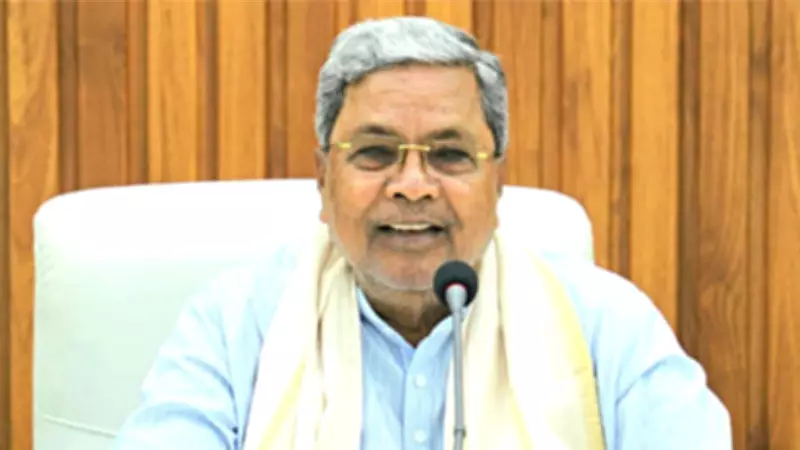
The Karnataka state cabinet has given its approval for a significant legislative change aimed at enhancing the efficiency and accountability of the police force. In a meeting chaired by Chief Minister Siddaramaiah, the cabinet cleared the proposal to empower the Police Establishment Board (PEB) to transfer police officers up to the rank of Deputy Superintendent of Police (DSP) for cases of misconduct or dereliction of duty, without requiring prior government approval.
Key Provisions of the Karnataka Police (Amendment) Bill, 2026
The new bill, titled the Karnataka Police (Amendment) Bill, 2026, is set to be introduced in the upcoming budget session of the state legislature. This amendment seeks to modify the existing Karnataka Police Act of 1964. The primary objective is to grant the PEB, which consists of senior police officers, the authority to issue urgent transfer orders for officers found guilty of negligence or unethical behavior.
Law Minister H K Patil emphasized that this move is designed to address current procedural delays. "At present, these transfers fall outside the scope of the competent authority, leading to potential holdups in submitting proposals to the government and obtaining necessary orders," he stated after the cabinet meeting.

Background and Rationale for the Amendment
The decision comes against a backdrop where police postings in Karnataka have often been influenced by political considerations, with ministers and local legislators dictating transfers for their convenience. This has resulted in numerous instances of alleged police misconduct, including corruption arrests and procedural overreach.
In 2024, the Congress government enacted a law to extend the minimum tenure of police officers in operational roles from one year to two years, aiming to improve crime control and public relations. However, political lobbying has persisted for a return to the one-year tenure system, which the government has resisted.
- The PEB was established under the Karnataka Police Act in 2013 to manage transfers at the end of officers' tenures.
- Despite this, political interference has become commonplace, undermining effective policing.
- Corruption in transfer processes is viewed as a major obstacle to clean and people-friendly law enforcement in the state.
Implications for Police Governance
By enabling the PEB to act independently in transfer matters related to misconduct, the government hopes to reduce bureaucratic red tape and enhance responsiveness. This amendment aligns with broader efforts to depoliticize police administration and foster a more professional environment.
The state home ministry proposed this change, noting that since the PEB already holds appointment powers for officers up to DSP rank, it should logically oversee transfers for disciplinary reasons as well. This step is expected to streamline operations and bolster public trust in the police force.
As Karnataka prepares for the legislative session, this bill represents a critical juncture in the ongoing reform of its law enforcement mechanisms, with potential ripple effects on governance and public safety across the region.