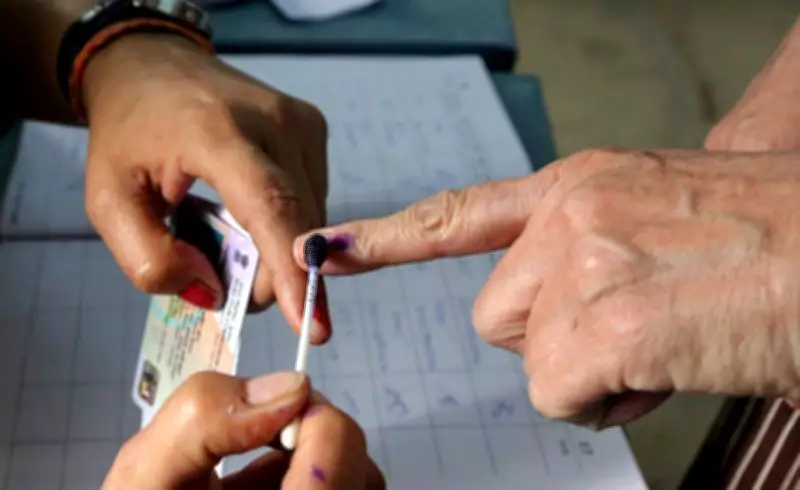
Calcutta High Court Orders Scrutiny of Massive Voter List Deletions in West Bengal
The Calcutta High Court has taken a significant step by initiating judicial scrutiny into the controversial removal of approximately 89 lakh voters from the electoral rolls in West Bengal. This development comes amid growing concerns over the transparency and fairness of the electoral process in the state, particularly as it gears up for upcoming elections.
Scale of the Voter Deletions Raises Alarms
According to reports, the deletion of 89 lakh voters—which translates to nearly 9 million individuals—has sparked widespread debate and criticism. The sheer magnitude of this action has led to questions about the criteria and methodology used by election authorities in purging these names. Critics argue that such a large-scale removal could potentially disenfranchise a significant portion of the electorate, impacting the democratic outcome.
The judicial scrutiny aims to investigate whether proper procedures were followed during the deletion process. The court's intervention underscores the importance of maintaining accurate and inclusive voter lists to uphold the principles of free and fair elections. This move is seen as a response to petitions and public outcry demanding accountability from the Election Commission and state officials.

Political and Legal Implications
The issue has deep political ramifications in West Bengal, a state known for its intense electoral battles. Opposition parties have alleged that the deletions were politically motivated, aimed at skewing the voter base in favor of certain factions. In contrast, ruling party representatives have defended the actions as necessary for cleaning up duplicate or ineligible entries from the rolls.
Legal experts highlight that this scrutiny could set a precedent for how voter list management is handled across India. The court's findings may lead to reforms in electoral laws or stricter oversight mechanisms to prevent similar controversies in the future. Additionally, the timing of the deletions, close to election periods, has added fuel to suspicions of malintent.
Next Steps in the Judicial Process
The Calcutta High Court is expected to conduct a thorough review of the deletion process, including:
- Examining the documentation and justifications provided by election authorities for each deletion.
- Hearing testimonies from affected voters and political stakeholders.
- Assessing compliance with the Representation of the People Act and other relevant regulations.
This judicial scrutiny is likely to involve multiple hearings and could result in directives for reinstating wrongly removed voters or imposing penalties for procedural lapses. The outcome will be closely watched by political analysts, civil society groups, and citizens alike, as it could influence voter confidence and electoral integrity in West Bengal and beyond.
In summary, the judicial scrutiny over the deletion of 89 lakh voters in West Bengal marks a critical juncture in ensuring electoral transparency. As the court delves into the matter, it highlights the ongoing challenges in balancing efficient voter list management with the fundamental right to vote, setting the stage for potential legal and political reforms.