Journalists Demand Withdrawal of Media Restrictions Inside Karnataka's Vidhana Soudha
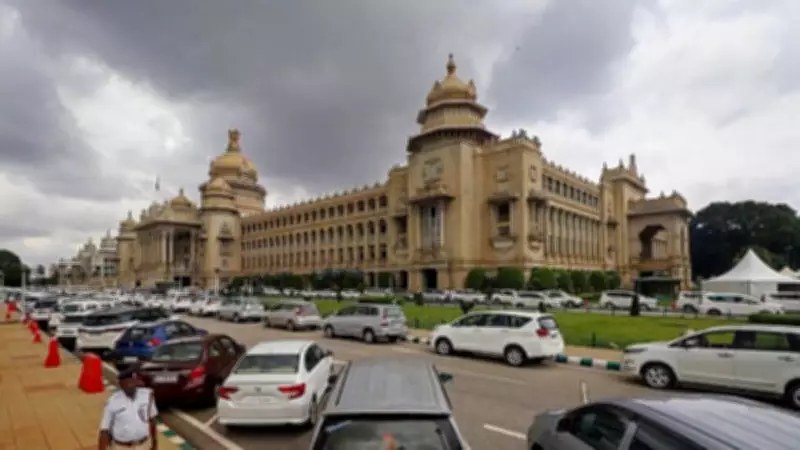
Journalists in Karnataka have launched a strong protest against a recent order that imposes significant restrictions on media access inside the historic Vidhana Soudha, the state legislative assembly building in Bengaluru. The move has sparked widespread concern among press professionals who view it as a direct threat to journalistic freedom and transparency in government proceedings.
Security Concerns Versus Press Freedom
The controversial order, which limits where journalists can operate within the legislative complex, was reportedly implemented under the guise of enhanced security measures. However, media representatives argue that these restrictions go far beyond reasonable security protocols and effectively prevent them from performing their essential watchdog role in a democratic society.
Karnataka BJP chief B Y Vijayendra has been particularly vocal in his criticism of the decision. "This move amounts to nothing less than an attempt to curb the freedom of the press under the pretext of security," Vijayendra stated emphatically. He emphasized that while security is undoubtedly important, it should not come at the cost of fundamental democratic principles that guarantee media access to government institutions.

Impact on Democratic Accountability
The restrictions have raised serious questions about:
- How journalists will cover legislative proceedings effectively
- Whether the public will receive timely and accurate information about government activities
- If this sets a dangerous precedent for media access in other state institutions
- The potential chilling effect on investigative journalism in Karnataka
Media organizations across the state have united in their opposition to the order, arguing that the Vidhana Soudha, as the seat of Karnataka's government, should remain accessible to journalists who serve as the crucial link between elected representatives and the citizens they serve. The building has historically been open to media coverage, with journalists playing a vital role in reporting on legislative debates, policy decisions, and government announcements.
Broader Implications for Press Freedom
This development comes at a time when press freedom concerns have been growing nationally and internationally. Journalists' associations point out that restricting media access to legislative buildings undermines the very foundation of democratic governance, which relies on transparency and public scrutiny of government actions.
The controversy has also drawn attention to the Siddaramaiah-led state government's approach to media relations, with opposition parties seizing on the issue to criticize what they characterize as an increasingly opaque administration. Political observers note that how the government responds to journalists' demands could significantly impact public perception of its commitment to democratic values and open governance.
As the standoff continues, media professionals remain determined to fight what they see as an unjustified encroachment on their constitutional rights. The outcome of this confrontation may well set important precedents for the balance between security concerns and press freedom not just in Karnataka, but potentially across India's democratic landscape.