The ruling Jharkhand Mukti Morcha (JMM) in Jharkhand has launched a sharp critique against the ongoing move to rename Raj Bhavans across states as Lok Bhavans. On Monday, the party argued that instead of a superficial name change, the central government should work towards phasing out what it termed as 'political disturbance centres'. The comment adds a new political dimension to the symbolic rebranding exercise initiated by some state governors.
A Question of Character Over Name
JMM's central general secretary, Supriyo Bhattacharjee, posed a direct challenge to the central government's intent. He questioned whether the change from Raj Bhavan to Lok Bhavan would alter the institution's fundamental character. "In Loktantra (democracy), there is hardly any role for Raj Bhavans," Bhattacharjee stated.
He accused the BJP-led NDA government at the Centre of having converted Raj Bhavans into political agents over the past 11 years. "We have seen how they (Raj Bhavans) were misused in states where non-BJP governments were in place to unsettle governments or make governments," he alleged. The core of the JMM's argument is that a nameplate swap is meaningless without a genuine shift in the powers and conduct of the Governor's office.

Political Reactions: Support and Skepticism
The JMM's stance found an echo in its ally, the Congress party. Congress's chief spokesperson in Jharkhand, Lal Kishorenath Shahdeo, framed the renaming as a classic BJP tactic. He claimed the BJP was a master of changing names to divert public attention from key issues and that this latest move should be viewed in the same light.
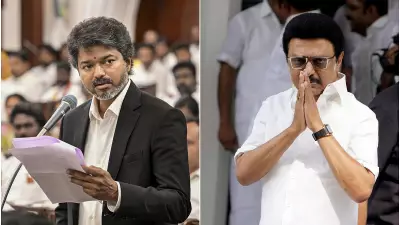
This criticism follows similar reservations expressed by Tamil Nadu Chief Minister M K Stalin just two days earlier. After West Bengal Governor C V Ananda Bose renamed the Kolkata Raj Bhavan to Lok Bhavan, Stalin emphasized the need for a 'change in mindset' more than a change in name.
However, the opposition BJP in Jharkhand welcomed the initiative. Party spokesperson Ashok Baraik defended the move, stating that Congress-led governments since Independence had done little to shed colonial legacies. "Our government is gradually working to end all things that are archaic," he said. Baraik added that the renaming would help common people feel a sense of belonging towards the institution, which would then work for public welfare.
Jharkhand's Raj Bhavan Yet to Act
Amidst this political debate, the Jharkhand Raj Bhavan has not yet initiated the formal renaming process. Sources indicate that Governor Santosh Gangwar is currently preoccupied with his son's wedding preparations. In fact, on Monday, he met Union Education Minister Dharmendra Pradhan in Delhi to personally invite him to the grand ceremony.
The controversy highlights the deep-seated political tensions between the Centre and opposition-ruled states, where the role of the Governor has often been a flashpoint. The move to rename Raj Bhavans, intended to shed colonial baggage, has instead ignited a fresh debate on federalism and the actual versus symbolic decolonization of Indian institutions.