Jammu & Kashmir Tourism Sector Shows Signs of Recovery After Pahalgam Terror Attack
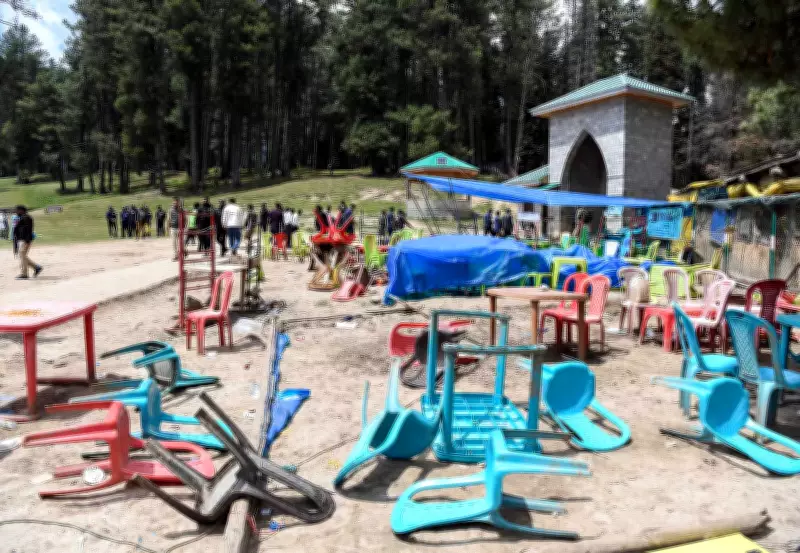
The tourism industry in Jammu and Kashmir is demonstrating encouraging signs of revival following a severe downturn triggered by the devastating April 2025 Pahalgam terror attack. The state government confirmed this positive trend on Wednesday while responding to a cut motion raised by Peoples Conference legislator Sajad Lone in the assembly.
Impact and Government Response
In its official reply, the government acknowledged that the terrorist incident had a profound negative impact, severely disrupting tourism activities, affecting livelihoods, and harming all stakeholders connected to the vital sector. To counteract this crisis, authorities initiated a comprehensive series of measures focused on promotional outreach and confidence-building initiatives aimed at restoring traveler trust and revitalizing the tourism economy.
These strategic efforts have begun yielding tangible results, with improved tourist footfalls observed during the recent winter season. The tourism department, which is under the direct charge of Chief Minister Omar Abdullah, has been instrumental in driving this recovery campaign.

Tourist Arrival Statistics: A Comparative Analysis
Official data tabled in the assembly reveals a stark contrast between pre-attack and post-attack tourism numbers:
- 2024 Performance: Kashmir welcomed 29.4 lakh domestic tourists and 43,654 foreign tourists. Additionally, approximately 5.1 lakh pilgrims visited the sacred Shri Amarnath cave shrine that year.
- 2025 Decline: Following the Pahalgam attack, Jammu and Kashmir recorded a significant drop, with only 11.1 lakh domestic tourist arrivals and 22,993 foreign tourists. The Amarnath pilgrimage also saw reduced participation, with about 4.1 lakh yatris undertaking the holy journey.
Despite the 2025 downturn, the current recovery signals a gradual return toward normalcy. Tourism remains a critical economic pillar for the region, currently contributing approximately 6.98% to Jammu and Kashmir's Gross State Domestic Product.
Historical Context and Long-Term Vision
This is not the first time Jammu and Kashmir's tourism has faced major challenges. The sector was previously hit hard during 2020 and 2021 due to the Covid-19 outbreak, which occurred shortly after the notification of the J&K Tourism Policy-2020. However, with the easing of pandemic restrictions, the industry gradually recovered and registered strong growth in subsequent years.
The J&K tourism policy outlines an ambitious vision for the sector's development, envisaging an investment of Rs 2,000 crore per year during its initial phase and the generation of 50,000 jobs annually to boost economic prosperity and employment.
Infrastructure Development and Asset Monetization
To support this growth, the Omar Abdullah-led government has made substantial financial commitments. In the fiscal year 2025-26, it allocated:
- Rs 3,961.79 lakh for day-to-day operations and maintenance of tourism facilities.
- Rs 1,703.45 lakh for the creation and upgradation of infrastructure across tourism development authorities and tourist circuits, spanning 21 development authorities.
Key tourism authorities, including those managing Pahalgam, Gulmarg, Sonamarg, Patnitop, and Lolab-Bangus-Drangyari, are actively working to enhance and improve visitor facilities. Furthermore, the government has identified nearly 200 tourism assets for outsourcing and monetization to increase revenue and efficiency, with 196 of these assets already being processed under the new initiatives.