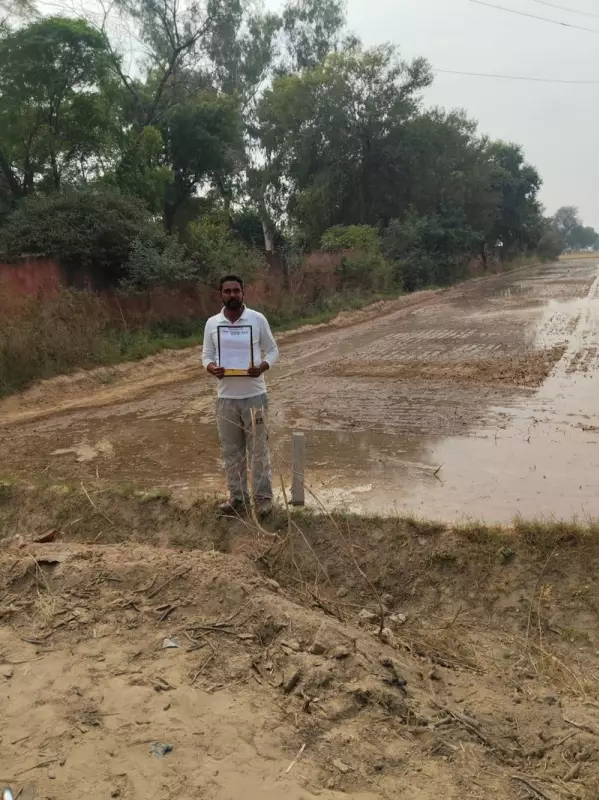
An alarming case of illegal farming on government school land has been uncovered in Sirsa district, thanks to a Right to Information (RTI) application. The investigation revealed that agricultural activities have been illegally conducted on school property in Darba Kalan village for several years, raising serious questions about the protection of educational infrastructure in rural Haryana.
The RTI Revelation
The shocking discovery came to light when an RTI application filed by local activists exposed the unauthorized use of school land for farming purposes. According to the information obtained, approximately 4 acres of land belonging to the Government Senior Secondary School in Darba Kalan village has been under illegal cultivation. The land, meant for educational and developmental purposes, has instead been used for growing crops without any official permission or legal standing.
The RTI response clearly indicated that no formal approval had ever been granted for agricultural activities on the school premises. This unauthorized use has continued for an extended period, with local farmers allegedly cultivating the land and benefiting from produce that rightfully belongs to the educational institution. The investigation also revealed that school authorities had failed to take adequate measures to protect the government property from such encroachment.
Administrative Action and Response
Following the RTI exposure, the education department and district administration have sprung into action. Officials have confirmed that the illegal farming activities have been stopped, and the land has been cleared of all unauthorized crops. The administration has initiated a thorough investigation to determine how such illegal activities could continue unchecked for so long and who should be held accountable for the lapse.
The Block Education Officer (BEO) has been directed to submit a detailed report on the matter, including information about any potential collusion between school staff and those involved in the illegal farming. District education authorities have emphasized that such misuse of school land cannot be tolerated, as it directly impacts the resources available for students' education and overall development.
Broader Implications and Community Impact
This case highlights a larger problem of government property protection in rural areas. The illegal occupation and use of school land not only represents a financial loss to the education department but also deprives students of potential playgrounds, additional classrooms, or other educational facilities that could be developed on the land.
Local residents and education activists have expressed concern about the systematic neglect of government property in the region. They argue that such incidents reflect poorly on the monitoring mechanisms meant to protect public assets. The case has prompted calls for regular audits of all government school properties across the district to prevent similar occurrences elsewhere.
Education officials have assured that strict measures will be implemented to prevent recurrence of such incidents. These include regular inspections of school boundaries, proper documentation of land use, and increased awareness among school management committees about their responsibilities in protecting school property.
The Sirsa district administration has also warned that legal action would be taken against anyone found involved in similar illegal activities on government educational properties in the future. This case serves as a wake-up call for better governance and protection of educational infrastructure across Haryana.