Himachal MLA Satti Opposes Narrowing of Annual Priority Works for Legislators
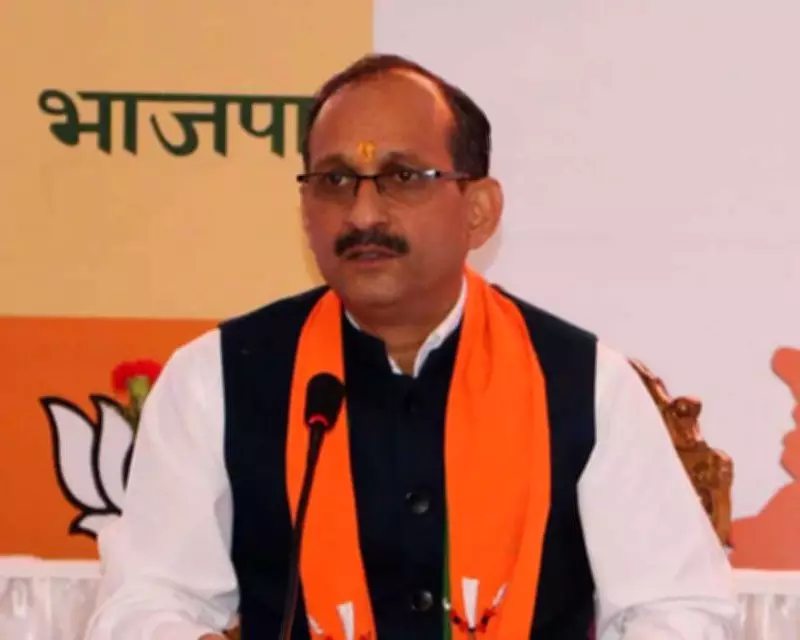
In a significant development from Himachal Pradesh, MLA Satti has publicly voiced strong opposition to a proposed policy change that would limit each legislator to just one priority work project per year. This move, which has sparked debate in political circles, is seen as a potential setback for local development initiatives across the state.
Background on MLA Priority Works
Traditionally, MLAs in Himachal Pradesh have been allocated funds and authority to undertake multiple priority works annually in their constituencies. These projects typically include infrastructure improvements, community facilities, and other development activities aimed at addressing immediate public needs. The system has long been viewed as a crucial mechanism for ensuring grassroots-level progress and responsive governance.
Satti's Opposition and Arguments
MLA Satti has raised several key concerns regarding the proposed narrowing of priority works to just one per year per legislator. He argues that this restriction would severely hamper the ability of MLAs to effectively serve their constituents, particularly in remote and underserved areas where multiple development needs coexist. Satti emphasized that the current system allows for flexibility and timely intervention, which would be lost under the new proposal.
Furthermore, Satti pointed out that limiting priority works could lead to:
- Delayed implementation of critical infrastructure projects
- Reduced accountability and responsiveness to public demands
- Potential inequities in resource allocation across different regions
- A disconnect between elected representatives and local communities
Implications for Local Development
The proposed change has broader implications for development governance in Himachal Pradesh. By restricting MLAs to a single priority work annually, the state government may be centralizing decision-making power, which could slow down the pace of local development. This comes at a time when many constituencies are grappling with infrastructure deficits, healthcare access issues, and educational facility shortages.
Satti's opposition reflects a growing concern among legislators about maintaining their role in driving constituency-specific development. He has called for wider consultation with all MLAs before any such policy is implemented, suggesting that the current proposal lacks adequate stakeholder input.
Political and Administrative Context
This controversy emerges against the backdrop of ongoing discussions about administrative efficiency and fiscal management in Himachal Pradesh. Proponents of the change likely argue that limiting priority works could streamline processes and reduce potential misuse of funds. However, Satti and other critics contend that the solution lies in better monitoring and transparency, not in reducing the scope of MLA-led development initiatives.
The debate also touches on fundamental questions about decentralized governance and the role of elected representatives in India's democratic framework. As Himachal Pradesh continues to develop its policy approach, the outcome of this discussion could set important precedents for other states considering similar reforms.