Farmers in Himachal Pradesh are gearing up for a major confrontation with the state government and the Bhakra Beas Management Board (BBMB). The dispute centers on a contentious plan to divert precious irrigation water from the state's canals to meet the drinking water needs of Chandigarh. The farmers have drawn a firm line, threatening to take the matter to court if the authorities proceed with the proposal.
The Core of the Dispute: Water for Farms vs. Water for City
The flashpoint is a proposal to utilize the Bhakra Main Line (BML) canal to supply water to Chandigarh. This canal is a critical lifeline for agriculture in the region. Farmers argue that diverting water for urban use will directly jeopardize their irrigation supply. The affected area spans approximately 1,200 acres of fertile farmland across several villages in the Bharari and Badhauli panchayats of the Nalagarh region.
Local farmer leaders, including Jaswant Singh, president of the Kisan Sabha in Nalagarh, have been vocal in their opposition. They contend that the plan is a direct threat to their livelihood and food security. The farmers rely on this canal water to cultivate essential crops, and any reduction in supply would have devastating consequences for their yield and income.

Official Moves and Farmer Resistance
The issue came to a head following a recent meeting chaired by the Himachal Pradesh Chief Secretary on March 11, 2024. In this meeting, the proposal to channel water to Chandigarh via the BML was reportedly discussed. This official move has significantly escalated tensions.
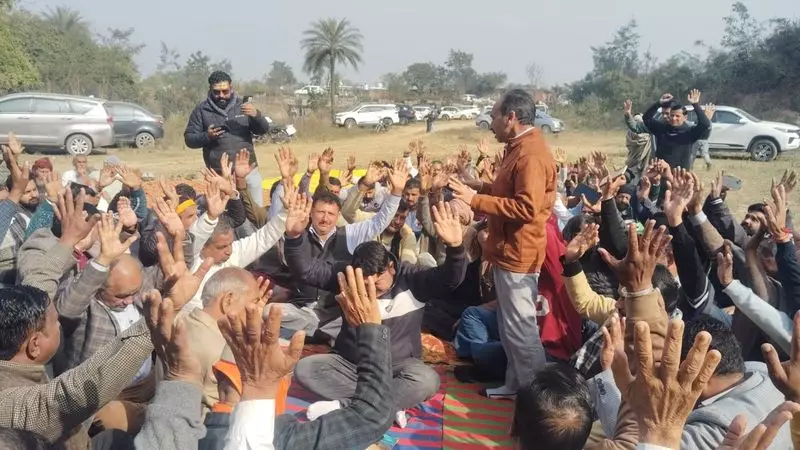
In response, the farming community has mobilized swiftly. They have served a clear ultimatum to the state administration and the BBMB. The farmers have declared that they will not allow any water to be diverted from the canal meant for their fields. Their stance is uncompromising: if the government pushes ahead, they are prepared to initiate a legal battle to protect their water rights.
The farmers' argument is rooted in priority and existing agreements. They assert that the primary purpose of the canal system is irrigation for agriculture. Reallocating this resource for a city's consumption, they believe, violates the fundamental understanding and would set a dangerous precedent for future water sharing in the region.
Implications and the Road Ahead
This standoff highlights the growing tension between urban water demands and agricultural needs in North India. Chandigarh, a union territory and shared capital of Punjab and Haryana, is seeking additional water sources to support its growing population. However, this search is now pitting the city against the farming communities of a neighboring state.
The threat of legal action signals that the farmers are serious about a prolonged fight. A court case could delay the project indefinitely and force a thorough judicial review of water allocation policies and riparian rights. It also puts the Himachal Pradesh government in a difficult position, caught between the demands of a major urban center and the welfare of its own rural constituents.
The coming weeks are critical. The state government and the BBMB will have to carefully reconsider their strategy. Meanwhile, the farmers of Nalagarh remain on high alert, ready to defend their water access, which they see as non-negotiable for their survival and the region's agricultural prosperity.