The people of Himachal Pradesh continue to endure a prolonged and frustrating wait for critical financial assistance from the Central Government, nearly ten months after devastating monsoon rains wreaked havoc across the hill state. The state government's plea for a substantial relief package of approximately ₹9,000 crore to fund recovery and rehabilitation remains unanswered, leaving reconstruction projects in limbo and affected families in distress.
A State's Plea and a Delayed Response
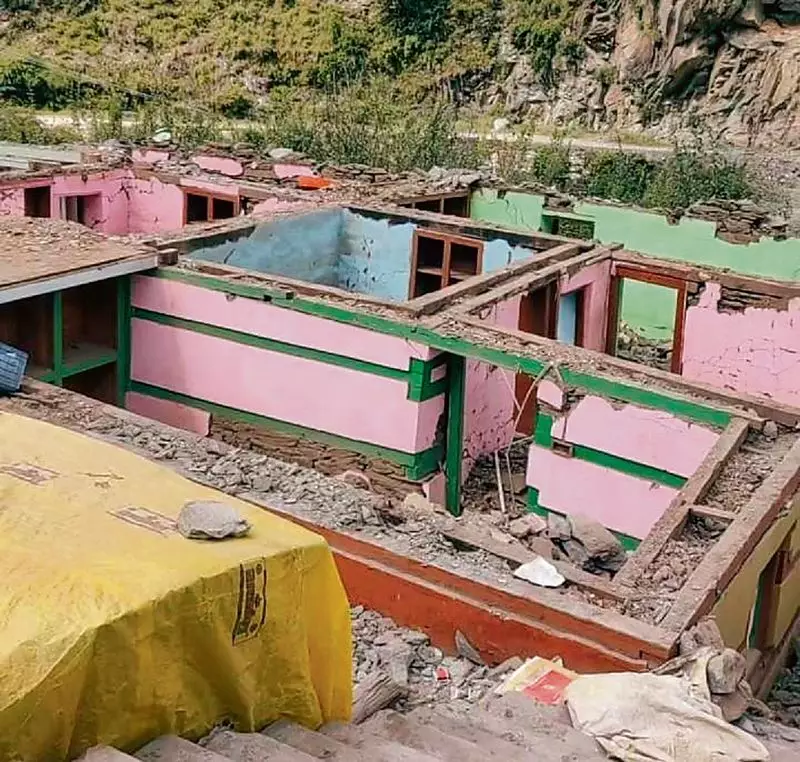
In the aftermath of the catastrophic monsoon season of 2023, which caused unprecedented damage to infrastructure, homes, and livelihoods, the Himachal Pradesh government submitted a detailed memorandum to the Centre. The state, led by Chief Minister Sukhvinder Singh Sukhu, sought a special relief package of ₹9,905.77 crore. This assessment was based on the extensive losses documented by state authorities.
However, the response from the Central Government has been a fraction of the requested amount. To date, the Centre has released only ₹622.47 crore from the National Disaster Response Fund (NDRF) and the State Disaster Response Fund (SDRF). A further ₹200 crore was granted as an advance from the NDRF. This total of around ₹822 crore stands in stark contrast to the nearly ₹10,000 crore needed, creating a massive funding gap that hampers all recovery efforts.
The Mounting Pressure and Political Tensions
The delay has not only slowed physical reconstruction but has also intensified political friction. Chief Minister Sukhvinder Singh Sukhu has publicly expressed his disappointment and frustration on multiple occasions. He has highlighted the state's dire financial situation, exacerbated by the disaster, and its inability to single-handedly finance the massive rebuilding task.
The state government is now facing immense pressure from its own citizens, particularly those who lost everything. With winter having passed and another monsoon season approaching, the urgency to repair roads, restore water supply, and rebuild homes has never been greater. The delay casts a shadow over the state's preparedness for future climatic events.
Broken Promises and a Stalled Recovery
Officials in Himachal Pradesh point to what they see as a pattern of unmet assurances. Despite high-level discussions and visits by central teams to assess the damage, the anticipated large-scale financial support has failed to materialize. This has forced the state to divert funds from other development schemes and take on additional debt to begin the most critical repairs, a stop-gap measure that is unsustainable.
The consequences of this funding shortfall are tangible and widespread:
- Incomplete Infrastructure Repair: Many roads, bridges, and water supply schemes damaged in the rains are only partially restored.
- Unfulfilled Compensation: Affected families await full compensation for destroyed homes and agricultural land.
- Economic Strain: The state's treasury is under severe stress, impacting its ability to function and plan for long-term disaster resilience.
As Himachal Pradesh marks ten months since the disaster, the wait for the promised ₹9,000 crore relief package continues. The standoff between Shimla and New Delhi over disaster funding has evolved into a critical test of federal cooperation, with the lives and livelihoods of thousands of Himachalis hanging in the balance. The state's long wait underscores a broader challenge in India's disaster management framework, where timely and adequate central assistance remains a pivotal, yet often delayed, component of recovery.