Punjab High Court Halts Proceedings on Opposition Leader Partap Bajwa's Plea
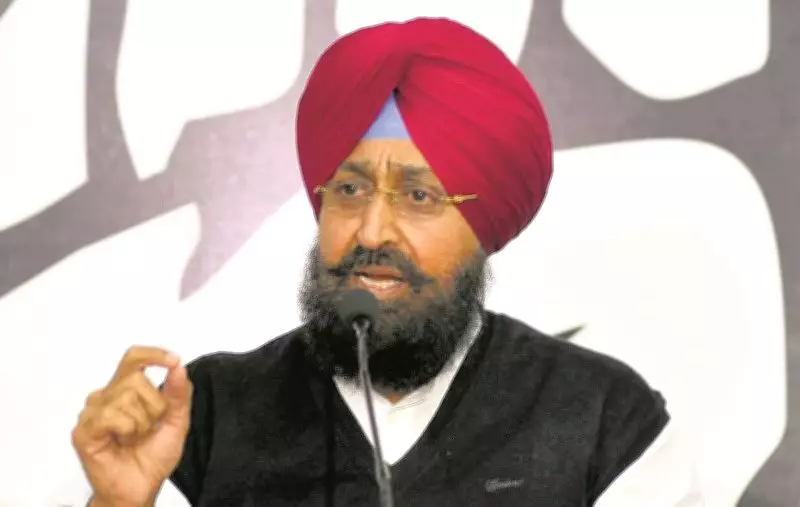
The Punjab and Haryana High Court has issued a stay order on the proceedings related to a plea filed by Partap Bajwa, the Leader of the Opposition in the Punjab Legislative Assembly. This legal intervention comes amid ongoing political tensions in the state, with the court's decision expected to have far-reaching implications for both the judicial process and the political dynamics in Punjab.
Details of the Legal Case
The plea in question was submitted by Bajwa, a senior Congress leader, seeking relief or clarification on a matter that has not been fully disclosed in public records. The High Court's stay effectively pauses all further actions on this plea until further notice, allowing time for a more thorough review of the legal arguments presented. This move underscores the judiciary's role in ensuring due process and preventing any hasty decisions that could impact constitutional or statutory rights.
Political Context and Reactions
Partap Bajwa, as the Leader of the Opposition, plays a crucial role in Punjab's political arena, often challenging the ruling government on various issues. The stay on proceedings has sparked discussions among political analysts and stakeholders, with some viewing it as a temporary reprieve for Bajwa, while others see it as a procedural step in a complex legal battle. The Congress party has yet to issue an official statement, but sources indicate that they are closely monitoring the situation, as it could influence upcoming legislative sessions and electoral strategies.

Implications for Punjab's Governance
This development highlights the intersection of law and politics in Punjab, where high-profile cases often draw public attention. The stay order may delay any potential outcomes from Bajwa's plea, affecting timelines for related administrative or legislative actions. It also raises questions about the broader legal framework governing opposition leaders' rights and responsibilities in the state. Observers note that such judicial interventions can set precedents for future cases involving political figures, emphasizing the need for transparency and fairness in legal proceedings.
Next Steps and Legal Outlook
The High Court is expected to schedule a hearing in the coming weeks to review the merits of Bajwa's plea and decide whether to lift the stay or proceed with the case. Legal experts suggest that this period will allow both parties to prepare their arguments more comprehensively, potentially leading to a more informed judgment. In the meantime, the stay serves as a reminder of the judiciary's pivotal role in upholding democratic principles and ensuring that legal processes are not unduly influenced by political pressures.
As the situation unfolds, stakeholders from across the political spectrum are advised to await further court directives, which will ultimately shape the resolution of this high-stakes legal matter.