This week, two villages in Haryana painted a starkly contrasting picture of the state's complex relationship with gender. A heartening celebration for a baby girl in one district stood in sharp relief against a troubling pursuit for a male heir in another, highlighting a deep-seated social paradox.
A Daughter Honoured with a Son's Ritual
In Pauli village of Jind district, a family broke a 39-year-old tradition. Sanjay and his wife decided to celebrate the birth of their daughter by performing a Kua Pujan, a ritual typically reserved for welcoming a son. The ceremony, involving the worship of a well, filled the village lanes with music and feasting as the community joined in the family's joy.
"We performed this to symbolise respect and equality," Sanjay explained. He noted that his sister, born nearly four decades ago, was the last girl born in his family before his daughter. His wife proudly pointed out how daughters today are excelling in sports, education, and even the armed forces, proving they are in no way inferior to sons. The village sarpanch confirmed that the entire community supported and shared in this progressive celebration.

The 11th Child: A Son After Ten Daughters
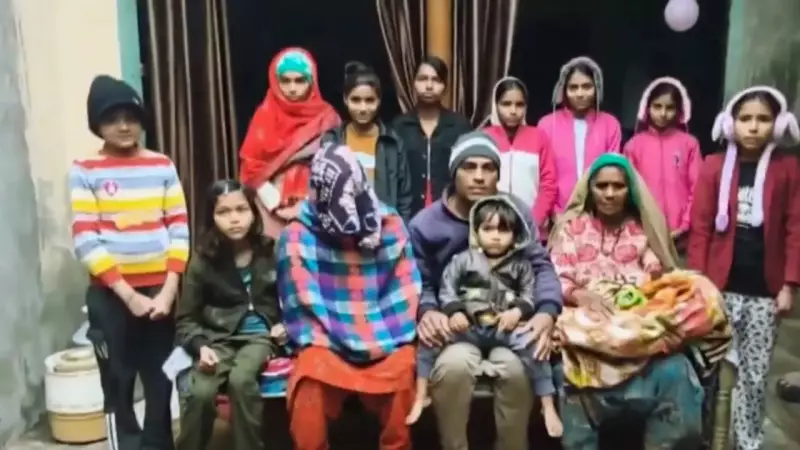
Approximately 115 kilometres away, in Dhani Bhojraj village of Fatehabad district, a very different celebration unfolded. A daily-wage labourer, also named Sanjay, welcomed his 11th child—a son, after ten daughters. "After 19 years, my mother's wish is fulfilled," the elated father stated. His eldest daughter is currently in class 12, and he claimed everyone in the family and village was happy about the male child's arrival.
However, the celebration revealed a painful bias. When speaking to reporters, the father struggled to recall the names of all his ten daughters. "Sometimes I forget," he admitted. He spoke ambitiously about dreams of making his newborn son an officer but had no such specific plans for his daughters' futures.
Medical Risks and a Doctor's Stern Warning
The birth of the long-awaited son occurred at a government hospital in Uchana Kalan, Jind. Dr. Santosh, who handled the case, described it as high-risk. The mother's haemoglobin level was critically low at just 5 grams per decilitre, and the baby suffered from low amniotic fluid.
"Despite the complications, she delivered a healthy baby boy through normal delivery. Both are stable now," the doctor reported. However, she issued a sharp warning against such repeated pregnancies. "They pose serious risks to both mother and child. I strongly advise families not to opt for a third child, let alone an eleventh," Dr. Santosh emphasised.
A State in Slow Transition
Haryana has long been infamous for its deep-rooted patriarchy and skewed sex ratio. The 2011 census recorded one of the country's worst child sex ratios for the state, with just 834 girls for every 1,000 boys. A decade of sustained awareness campaigns, stricter enforcement of laws against prenatal sex determination, and evolving social aspirations have nudged these numbers upward.
Yet, the overwhelming celebration for an 11th child solely based on his gender underscores how entrenched son preference remains in parts of the society. The two simultaneous events from this week offer a snapshot of a state in transition, where visible, hopeful progress uneasily coexists with enduring and damaging bias.