Governor's Role in Indian States Sparks Renewed Constitutional Debate
A recent confrontation during the Karnataka Assembly session has reignited a long-standing debate about the necessity and role of governors in Indian states. The heated exchanges between legislators and the governor's office have brought this constitutional question back into the political spotlight, raising fundamental questions about federal structure and executive authority.
Vatal Nagaraj Points to Deeper Constitutional Issues
Veteran Kannada activist and former lawmaker Vatal Nagaraj has articulated that these confrontations point to a deeper, more systemic problem within India's governance framework. According to Nagaraj, the recurring conflicts between state governments and governors highlight structural flaws that require serious constitutional examination.
The activist emphasized that these are not merely political disagreements but reflect fundamental questions about the distribution of power between the center and states in India's federal system. His intervention adds significant weight to the debate, given his decades of experience in Karnataka politics and social activism.

Historical Context of Governor-State Relations
The debate about governors' roles has historical roots in India's constitutional development. Governors serve as the constitutional heads of states, appointed by the President of India, but their relationship with elected state governments has often been contentious.
Several key issues typically emerge in these debates:
- The discretionary powers of governors in appointing chief ministers
- Delays in approving state legislation
- Recommendations for President's Rule in states
- The balance between constitutional duties and political considerations
Current Karnataka Context
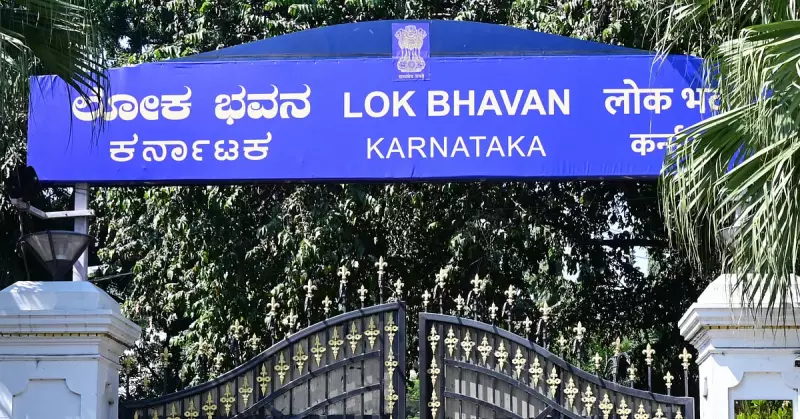
The specific confrontation in the Karnataka Assembly session has brought these constitutional questions to the forefront once again. Bengaluru, as the state capital, has become the epicenter of this renewed debate about gubernatorial powers and their impact on democratic governance.
Political observers note that these debates often intensify during periods of political transition or when different parties control the central and state governments. The current situation in Karnataka appears to follow this historical pattern, with significant implications for how state-center relations might evolve in the coming years.
Broader Implications for Indian Federalism
This renewed debate extends beyond Karnataka's borders, touching upon fundamental questions about Indian federalism. The governor's office represents a crucial interface between the central government and state administrations, making its functioning vital to the smooth operation of India's democratic system.
Several constitutional experts have previously suggested reforms to make the governor's role more transparent and less politically influenced. These suggestions include clearer guidelines for discretionary powers, fixed timelines for decision-making, and more objective criteria for key constitutional functions.
The timing of this debate is particularly significant as India continues to evolve its federal structure in response to changing political dynamics and governance challenges. How this debate resolves could have lasting implications for state autonomy and center-state relations across the country.