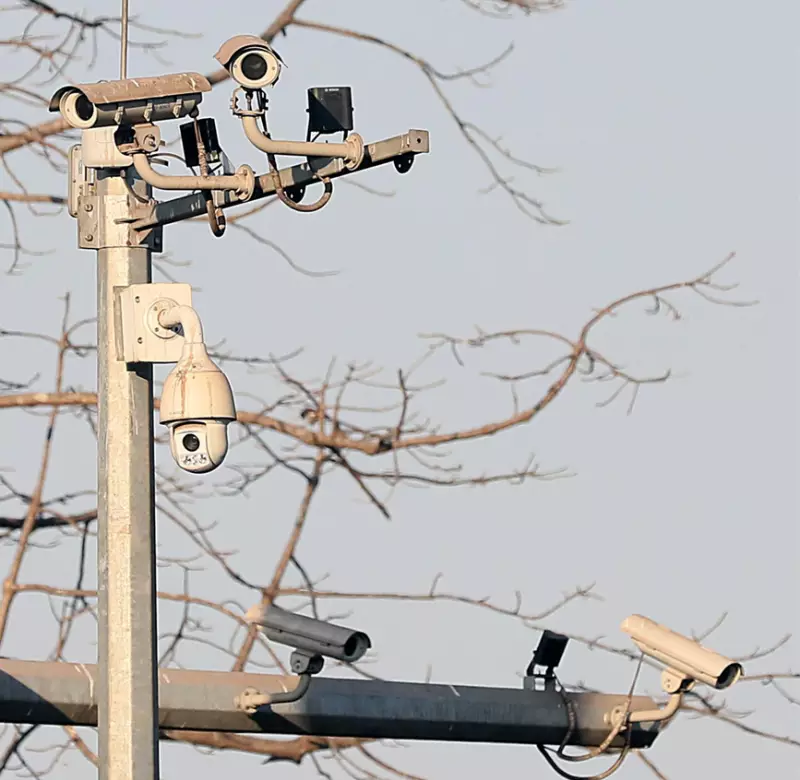
In a decisive move to enhance traffic discipline and reduce accidents, the Goa State Road Safety Council has directed authorities to accelerate the implementation of several critical road safety measures. The council's recent meeting, held on Monday, laid out a clear roadmap focusing on technology-driven enforcement, infrastructure fixes, and new safety rules.
Fast-Tracking Automated Enforcement and Infrastructure Audits
The council has prioritized the swift operationalization of the long-delayed camera-based challaning system. This automated system will be jointly managed by Beltech Engineering and the state's directorate of transport. It is designed to detect and penalize traffic violations automatically, with a special focus on high-risk zones and corridors with heavy traffic volumes.
Simultaneously, the council has turned its attention to engineering flaws on roads. It has urged the Public Works Department (National Highways wing) to act without further delay on the pending recommendations from earlier road safety audit reports. These audits had pinpointed design deficiencies contributing to accidents, but corrective actions have been lagging.

Focus on Pedestrian Safety and New Helmand Rule
A significant part of the discussion revolved around making pedestrian infrastructure safer and more usable. Authorities have been instructed to conduct detailed inspections of specific pedestrian subways located at Bambolim, Verna, Nuvem, and Navelim. The goal is to identify and execute improvements related to structural integrity, lighting, and overall accessibility to encourage public use.
In a major policy shift, the council has announced a phased introduction of mandatory helmets for pillion riders on two-wheelers. This measure is expected to significantly reduce head injuries and fatalities in road mishaps involving motorcycles and scooters.
Standardizing Plans and Gearing Up for Safety Month
To ensure coordinated and effective action at the grassroots level, the council has advised all district road safety committees to utilize a standardized handbook while formulating their local road safety action plans. This initiative aims to bring uniformity, data-driven planning, and greater accountability across districts by strengthening monitoring mechanisms.
Furthermore, in line with national observance, Goa will mark the National Road Safety Month in January. The month will feature extensive awareness drives, rigorous enforcement campaigns, and enhanced inter-departmental coordination, all targeting a reduction in road accidents and fatalities across the state.