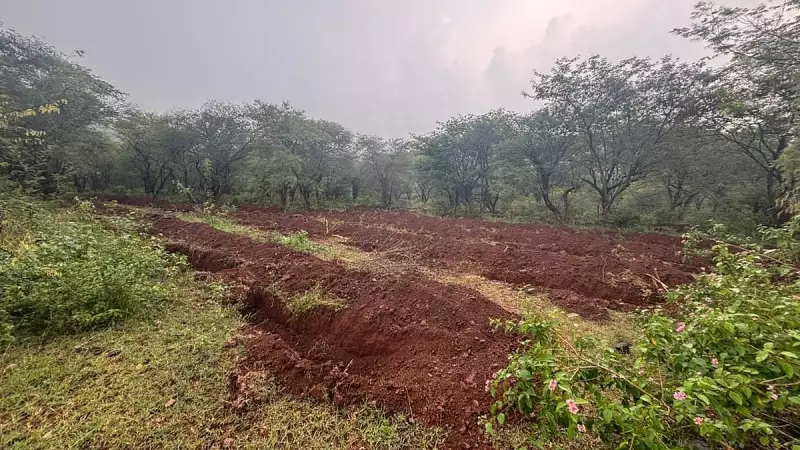
Environmental activists in Karnataka have raised serious allegations against the state's Forest Department, claiming it has flouted several regulations during soil conservation work inside a protected wildlife zone. The controversy centers around the use of heavy earth-moving equipment within the sensitive ecosystem of the Cauvery Wildlife Sanctuary.
Allegations of Widespread Rule-Breaking
According to wildlife advocates, the forest department engaged in activities over the past two weeks that contravened established environmental safeguards. The primary accusation is that officials employed heavy machinery to excavate pits in at least three different ranges of the sanctuary. This method of digging, activists argue, is excessively disruptive and is typically prohibited in such ecologically fragile areas where manual, less invasive techniques are mandated to minimize damage to flora and fauna.
The activists stress that the Cauvery Wildlife Sanctuary is a crucial biodiversity hotspot, and any construction or earthwork within its boundaries must adhere to strict guidelines designed to protect the habitat. The alleged use of JCBs and similar equipment represents a significant departure from these protocols.
Timeline and Specifics of the Incident
The operations in question are reported to have taken place over the last two weeks, leading up to the public disclosure of the allegations. The claims were formally highlighted on 01 December 2025. While the department stated the pits were intended for soil conservation—a practice aimed at preventing erosion and improving water percolation—the method of execution has come under fierce scrutiny.
Activists, including those who have been monitoring the sanctuary, contend that the project violated multiple rules governing work in protected forests. These rules often pertain to the scale of intervention, the type of machinery allowed, and the necessity for thorough environmental impact assessments before commencing such projects.
Potential Repercussions and Calls for Accountability
The allegations have sparked concerns about the long-term impact on the sanctuary's delicate ecosystem. The use of heavy machines can lead to soil compaction, destruction of undergrowth, disturbance to wildlife breeding grounds, and increased noise pollution, which drives away sensitive species.
Conservationists are now demanding a transparent investigation into the matter. They are calling for the Karnataka Forest Department to be held accountable and for immediate corrective measures to be taken to mitigate any potential damage caused by the digging. The incident underscores the ongoing tension between conservation goals and departmental practices, even when the stated aim of a project is environmental benefit.
This case highlights the critical need for unwavering adherence to environmental laws within India's protected areas. It serves as a reminder that the procedures followed in conservation work are just as important as the end goal, especially in vital sanctuaries like the Cauvery, which is home to diverse species including elephants, tigers, and leopards.