For the second consecutive day on Tuesday, members of the farmer organisation BKU Ekta Ugrahan staged a protest outside the deputy commissioner's office in Bathinda. The demonstration erupted after authorities denied parole to jailed activist Shagandeep Singh. He wanted to attend the cremation of his mother, Gurmail Kaur, who passed away on January 11.
Protesters Accuse Government of Insensitivity
The union has strongly criticised the state government for its decision. They call it an act of insensitivity. BKU Ekta Ugrahan demands Shagandeep's immediate release on humanitarian grounds. They argue that every individual deserves the right to perform the last rites for a parent.
Background of the Case
Shagandeep Singh faces serious legal charges. Police registered an attempt-to-murder case against him on January 20, 2025. This followed a violent clash between union members and police personnel. The dispute centered around village land demarcation issues.

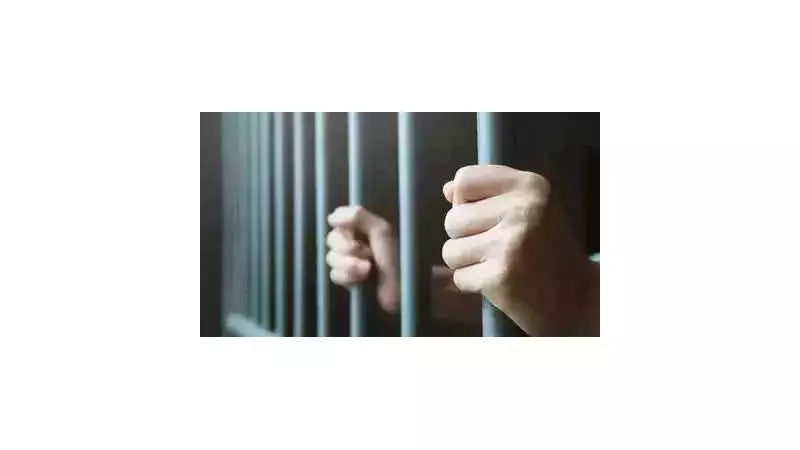
Authorities arrested Shagandeep and another activist, Baldev Singh from Chaoke village, on April 5. Both were protesting in support of Adarsh School teachers at that time. They have remained in judicial custody for over nine months now. Their bail applications faced rejection first from the sessions court and later from the high court.
Union Leaders Voice Their Anger
Shingara Singh Mann, the secretary of BKU Ekta Ugrahan, expressed deep frustration. He stated that the case originated from the union's peaceful agitation for land rights. Mann accused the government of revealing its "anti-farmer face" through this parole denial. He emphasised that even for performing final rituals, the activist was not granted temporary freedom.
The union organised a protest march to highlight their demands. Mann warned that demonstrations will persist if Shagandeep is not permitted to attend other ceremonies for his deceased mother. The farmer group vows to continue their agitation until justice is served.
This ongoing protest underscores the growing tensions between farmer organisations and the state administration. It highlights broader issues concerning prisoners' rights and humanitarian considerations within the judicial process.