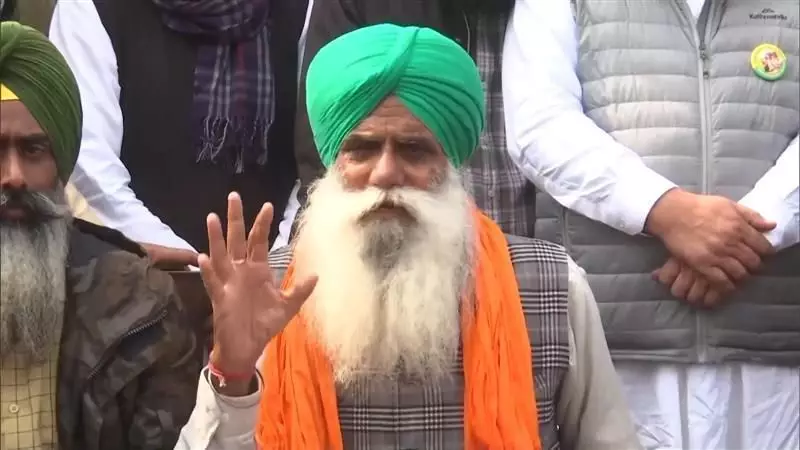
After a prolonged pause of nearly a year, a significant step is being taken to address the ongoing farmers' agitation in India. Dialogue between representatives of protesting farmers and a high-powered committee of the Union government is set to resume. This development marks a potential turning point in a movement that has sought legal guarantees for Minimum Support Prices (MSP) and other key demands.
Background and the Long Pause in Negotiations
The last major round of talks between the central government and the farmer unions, primarily under the banner of the Samyukt Kisan Morcha (Non-Political), reached a stalemate. The core issue has consistently been the demand for a legal guarantee for MSP on all crops, a promise the government has been reluctant to formalize into law. Following the inconclusive discussions, the protest action continued at border points like Shambhu, with the movement sustaining its momentum despite the hiatus in formal negotiations.
The decision to re-engage in talks comes after persistent efforts from the farmers' side. Union leaders had been pressing for the resumption of dialogue to break the deadlock. The formation of a high-powered committee by the government, which includes several key Union Ministers, indicates a structured approach to finding a resolution. The committee is expected to delve into the complex issues of MSP, crop diversification, and the implementation of the Swaminathan Commission's recommendations.
Current Status and Forthcoming Dialogue
According to sources, the farmer leaders have received communication regarding the resumption of talks. The dialogue is anticipated to take place soon, with both sides preparing their stances. For the farmers, the legal MSP guarantee remains the non-negotiable centerpiece of their demands. Other critical issues include debt waivers and the withdrawal of cases filed against protesters during earlier agitations.
The government committee, meanwhile, is likely to present its perspectives on the economic and logistical challenges of a nationwide MSP law. They may also discuss alternative support mechanisms and policies aimed at ensuring farm income security without enacting a sweeping legal mandate. The outcome of this renewed dialogue is being closely watched by agricultural communities across Punjab, Haryana, and other states, as it will determine the future course of the agitation.
Potential Implications and the Road Ahead
The resumption of talks is a crucial development, but it does not guarantee an immediate resolution. The gap between the farmers' fundamental demand and the government's position remains wide. A successful negotiation would require significant compromise from one or both parties. If the talks fail to yield a satisfactory outcome, the farmers' unions have signaled their readiness to intensify their protest, which could include plans for a march towards Delhi in the coming months.
The stakes are high for the agricultural sector and the political landscape. A resolution could bring much-needed stability and address deep-seated grievances. Conversely, a breakdown in talks could lead to renewed and large-scale unrest. The coming weeks will be critical in shaping the trajectory of India's farm policy and the relationship between the state and its food producers. All eyes are now on the meeting room where this pivotal discussion will unfold.