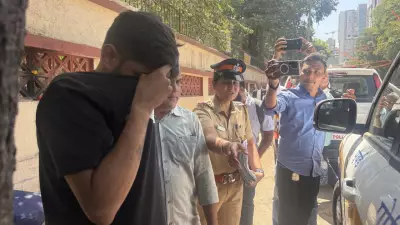
In a shocking incident that lays bare the extreme depths of financial despair in rural India, a farmer from Maharashtra's Beed district resorted to selling one of his kidneys to clear a debt. The case, which came to light recently, involves a 40-year-old farmer who took the drastic step to repay a loan of Rs 1 lakh that he had borrowed for his daughter's wedding and agricultural expenses.
The Desperate Act of a Debt-Ridden Farmer
The farmer, identified as Dnyaneshwar Baban Kshirsagar, hails from Digholamba village in Majalgaon taluka of Beed district. His story is a tragic testament to the unrelenting pressure of debt that countless farmers face. According to reports, Kshirsagar had initially borrowed the money from a moneylender. As he struggled to make ends meet with farming, the loan, coupled with accruing interest, became an insurmountable burden.
With no other apparent way out and facing relentless pressure for repayment, Kshirsagar made the fateful decision. He allegedly contacted a broker and agreed to sell his kidney. The transaction is said to have taken place in November 2023. He was taken to a private hospital where the organ removal procedure was conducted. For this, he received a sum of Rs 4 lakh.

Aftermath and Official Response
Out of the Rs 4 lakh received, Kshirsagar used Rs 2.5 lakh to repay the original moneylender and settle other dues. The remaining amount was intended to support his family. However, the physical and psychological toll of the operation soon became apparent. His health deteriorated post-surgery, preventing him from performing strenuous agricultural work. This, in turn, pushed the family into a fresh cycle of financial difficulty.
The matter reached the authorities when a local activist, Shivaji Phad, brought it to the notice of the district administration. Following this, Majalgaon police registered a case under the Transplantation of Human Organs and Tissues Act, 1994. The police have initiated an investigation to identify and apprehend the broker, the medical professionals, and everyone else involved in the illegal organ trade racket.
A Symptom of a Larger Crisis
This extreme case is not an isolated event but a severe symptom of the widespread agrarian distress in regions like Marathwada. Farmers, often trapped in a cycle of high-interest informal loans from private moneylenders, face crop failures, rising input costs, and volatile market prices. When institutional credit and government support mechanisms fail to reach them or prove insufficient, they are left vulnerable to exploitation.
The incident has sparked outrage and calls for a more robust safety net for farmers. It raises serious questions about the effectiveness of existing loan waiver schemes, the accessibility of formal credit, and the need for stringent action against illegal organ trafficking networks that prey on the desperation of the poor.
The Beed district administration has now provided the farmer's family with immediate financial aid of Rs 50,000 and has promised to include them in relevant government welfare schemes. However, this support comes after an irreversible personal sacrifice, highlighting the urgent need for systemic interventions to prevent such human tragedies.