Farm Unions Initiate Three-Day Protest in Kurukshetra, Haryana
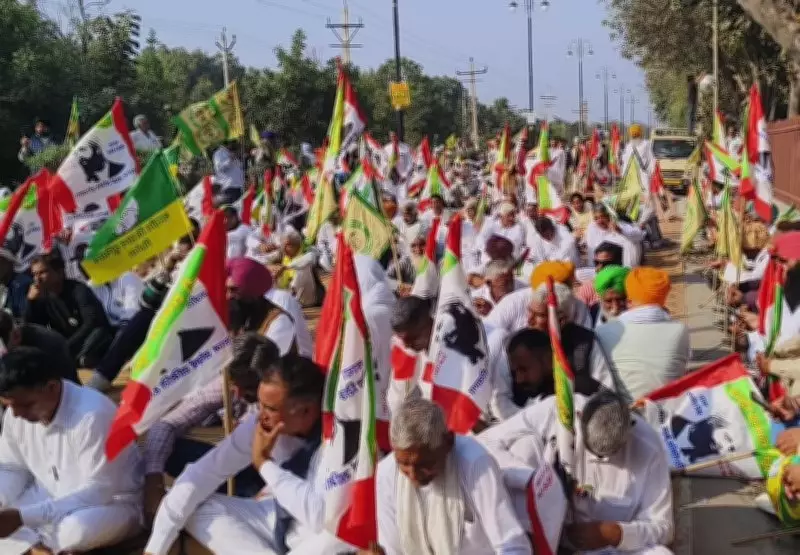
In a significant development, farmers' unions in Haryana have commenced a three-day protest in the historic city of Kurukshetra. This demonstration underscores the ongoing agricultural unrest in the region, with participants voicing strong demands for governmental intervention and policy changes to address their grievances.
Key Demands and Protest Details
The protest, which began recently, is being organized by various farm unions that have united to amplify their collective voice. Key demands include:
- Implementation of assured crop prices to ensure financial stability for farmers.
- Waiver of agricultural loans to alleviate debt burdens.
- Improved irrigation facilities and access to modern farming technologies.
- Resolution of land acquisition disputes affecting rural communities.
Protesters have gathered at strategic locations in Kurukshetra, with plans to hold rallies and sit-ins over the three-day period. The choice of Kurukshetra, a city with deep cultural and historical significance, adds symbolic weight to their movement, highlighting the critical role of agriculture in India's heritage and economy.

Background and Context
This protest follows a series of similar actions by farmers across India, particularly in northern states like Haryana, where agricultural issues have been a persistent source of tension. Farmers have long expressed dissatisfaction with government policies, citing inadequate support and rising input costs that threaten their livelihoods.
The three-day timeframe allows for sustained pressure on authorities while minimizing disruption to daily life. Organizers emphasize that the protest is peaceful, aimed at drawing attention to their plight rather than causing unrest.
Government Response and Future Implications
As of now, state and central government officials have acknowledged the protest, with some expressing willingness to engage in dialogue. However, concrete actions or policy announcements are yet to materialize, leaving farmers skeptical about immediate resolutions.
This protest could have broader implications for Haryana's political landscape and agricultural sector. If demands are not met, it may lead to escalated actions or influence upcoming elections, as farmers represent a significant voting bloc in the state.
Observers note that the outcome of this protest will be closely watched, as it reflects larger national debates on farm welfare and rural development. The unions' ability to maintain momentum over three days will test their organizational strength and public support.