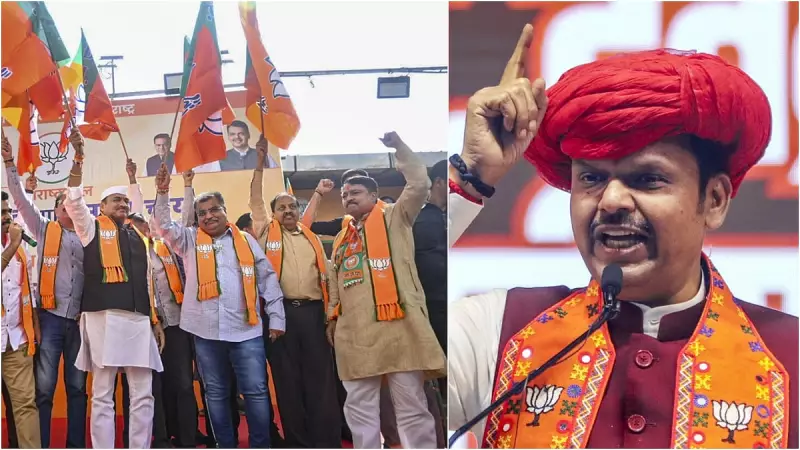
Maharashtra's political landscape witnessed a significant intervention from Deputy Chief Minister Devendra Fadnavis, who emphasized the cross-party respect commanded by the late Chief Minister Vilasrao Deshmukh. This statement, made on January 7, 2026, serves as a notable attempt to calm tensions following controversial remarks from the state's BJP chief about the former Congress leader.
Fadnavis Calls for Respecting Legacy
Devendra Fadnavis, a senior Bharatiya Janata Party leader, publicly acknowledged that Vilasrao Deshmukh's stature transcended political barriers. His comments were widely seen as a corrective measure aimed at maintaining political decorum. Fadnavis stressed that certain leaders earn admiration from all quarters, and their contributions to the state should be remembered with dignity, irrespective of party affiliations.
Deshmukh Family's Strong Rebuttal
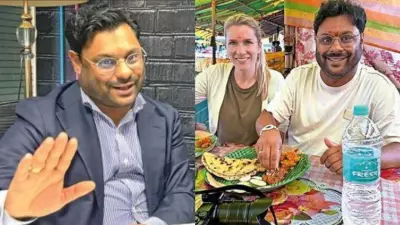
The Deputy CM's appeal for respect came directly after a sharp reaction from the Deshmukh family. Amit, Riteish, and Dhiraj Deshmukh—the three sons of the former Chief Minister—had collectively condemned the state BJP president's statements a day earlier, on January 6, 2026. They expressed deep hurt and disappointment over what they perceived as disrespectful comments about their father's legacy. The involvement of Riteish Deshmukh, a popular Bollywood actor, brought significant public and media attention to the issue.
Political Implications and Fallout
This episode highlights the delicate balance in Maharashtra's often-volatile politics. Fadnavis's decision to step in and acknowledge Deshmukh's widespread respect underscores a strategic move to prevent the controversy from escalating further. It also subtly distances the party's central leadership from the state chief's remarks. The incident underscores how legacies of veteran leaders remain potent symbols in public discourse, and attacking them can lead to swift and unified backlash, even from political opponents.
The core facts remain clear: a BJP state leader's comments sparked a family's outrage, leading to a senior party figure advocating for bipartisan respect for a former political rival. The timeline is precise, with the sons' criticism on January 6 and Fadnavis's clarifying statement on January 7, 2026. This sequence of events reaffirms that in Indian politics, personal legacies can sometimes override immediate partisan rivalries, prompting senior leaders to act as stabilizers.