Maharashtra CM Fadnavis Highlights Significance of Flowers in Sanatan Dharma
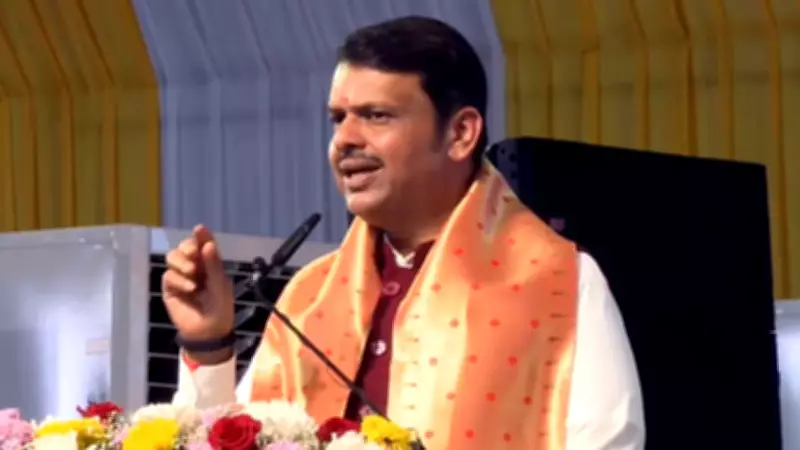
Maharashtra Chief Minister Devendra Fadnavis has underscored the profound importance of flowers within the framework of Sanatan Dharma, advocating for the flourishing of flower markets across the state. In a recent statement, he articulated that flowers are not merely decorative items but hold deep spiritual and cultural value in traditional practices.
Government Resolution to Clarify Ban on Non-Biodegradable Flowers
In a significant move, CM Fadnavis announced that a Government Resolution (GR) will be issued shortly to provide clarity regarding the existing ban on non-biodegradable flowers in Maharashtra. This step aims to address ambiguities and ensure that environmental regulations are balanced with the needs of local flower vendors and religious communities.
The CM emphasized that the GR will outline specific guidelines to help stakeholders comply with the ban while supporting sustainable practices. This initiative is expected to foster a more transparent regulatory environment, encouraging the use of eco-friendly alternatives without disrupting traditional customs.
Boosting Local Flower Markets and Cultural Heritage
Fadnavis pointed out that thriving flower markets are essential for preserving cultural heritage and supporting local economies. He highlighted how flowers play a crucial role in various rituals, festivals, and daily worship, making their availability and quality vital for devotees.
- Flowers are integral to religious ceremonies and offerings in Sanatan Dharma.
- The ban on non-biodegradable flowers aims to reduce environmental impact.
- The upcoming GR will provide clear directives to ensure compliance and market stability.
By promoting biodegradable options, the government seeks to align environmental sustainability with cultural preservation. This approach is designed to benefit both the ecosystem and the livelihoods of those dependent on the flower trade.
Future Implications and Community Response
The announcement has sparked discussions among religious groups, environmentalists, and business owners. Many welcome the move as a step towards harmonizing tradition with modern ecological concerns. However, some express concerns about the practical implementation and its impact on small-scale vendors.
CM Fadnavis assured that the government will work closely with all stakeholders to address these issues, ensuring that the transition is smooth and inclusive. The focus remains on creating a supportive framework where flower markets can thrive while adhering to sustainable principles.
This development reflects a broader effort to integrate cultural values with contemporary governance, setting a precedent for other states to follow in balancing heritage conservation with environmental stewardship.