Former Punjab DGP Mohammed Mustafa Delivers Scathing Critique of Punjab Congress Internal Politics
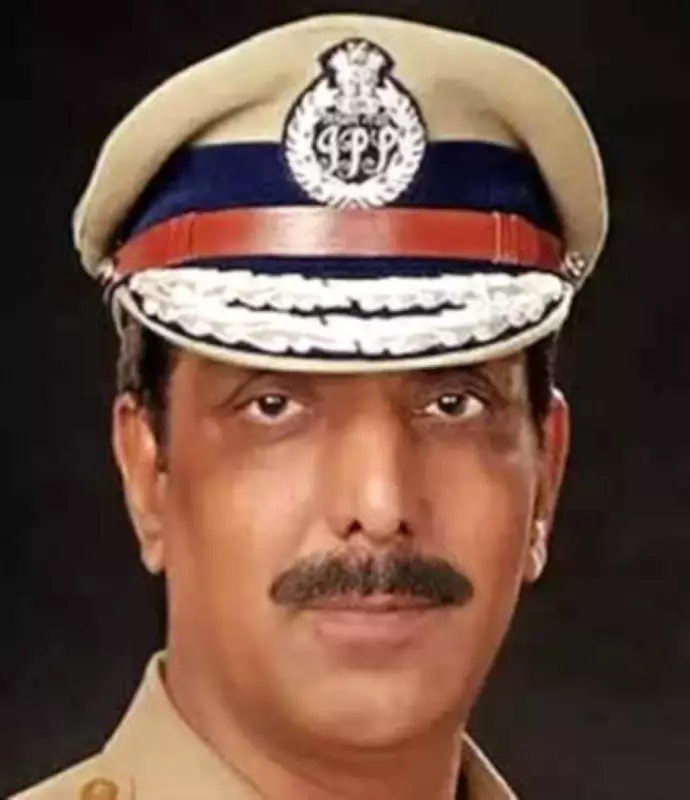
In a significant development from Chandigarh, former Punjab Director General of Police Mohammed Mustafa has launched a pointed critique of the internal dynamics within the Punjab Congress, drawing a sharp distinction between what he terms the "politics of the field" and the "politics of the corridor." The former police chief, who served as principal strategic adviser during Navjot Singh Sidhu's tenure as Punjab Pradesh Congress Committee president, shared a strongly worded message on social media that has sparked considerable discussion within political circles.
Mustafa's Political Background and Family Connections
Although not a formal member of the Congress party, Mustafa maintains deep connections through his family. His wife, Razia Sultana, served as a Cabinet minister in the previous Congress government in Punjab, while their daughter, Nishat Akhtar, was appointed as the Malerkotla district Congress president. This insider perspective lends weight to his observations about the party's internal workings.
The Core Allegation: Field Politics vs. Corridor Politics
In his detailed message, Mustafa articulated a fundamental concern about the direction of Congress politics in Punjab. "Politics is often described as the art of the possible, but for some, it has become the craft of the invisible," he wrote, setting the tone for his critique. He elaborated that a certain brand of leadership in Punjab thrives not "in the heat of the field, but in the cooled rooms of back-channel deals and the calculated silence of the quiet schemer."

The former DGP expressed alarm about what he described as a "dangerous trend emerging where the 'politics of the field' is being strangled by the 'politics of the corridor'." According to his analysis, the primary talent of this leadership lies not in winning over the public through genuine engagement, but rather in manipulating the internal machinery of the party organization through behind-the-scenes maneuvering.
Specific Allegations of Internal Manipulation
Mustafa's critique included several specific allegations about interference in party affairs:
- Reference to an unnamed individual within Congress ranks in Punjab who has "mastered the art of the 'wolf in sheep's clothing'" and operates primarily behind the scenes
- Allegations that this individual has meddled in the selection of District Congress Committee (DCC) presidents across several districts
- Claims that this interference extends to influencing observers and selection panels, despite the high command's stated vision of a transparent selection process
- Accusations of attempts to derail a "bright, budding youth leader" by conjuring a "ghost" criminal case
- Reports of interference in organizational matters of neighboring districts to block dedicated Congress workers from advancing within the party structure
The Silence That Speaks Volumes
One of Mustafa's most pointed criticisms focused on what he described as strategic silence. "The most damning indictment of such a character is his silence," he asserted, alleging that while ordinary party workers were actively engaged on the streets, a particular "manager" remained conspicuously mute. He suggested that "his tongue is tied not by discipline, but by dread"—implying fear rather than loyalty motivates this calculated silence.
Historical Context and Future Warnings
The former police official also referenced the "turncoat phenomenon" witnessed during the party's years out of power, cautioning against what he described as misplaced trust in undeserving individuals who might abandon the party when circumstances change. This historical perspective adds depth to his concerns about the current state of party loyalty and integrity.

Motivation and Conclusion
Mustafa concluded his message by clarifying his motivation: "I place these reflections before the leadership with the utmost sincerity, driven not by personal interest, but by a genuine concern for the party's future in the state." This statement positions his critique as coming from a concerned observer rather than a disgruntled insider, though his family connections to the party complicate this distinction.
The timing of this critique is particularly significant as the Congress party in Punjab continues to navigate complex political waters following recent electoral challenges. Mustafa's allegations about internal manipulation versus genuine public engagement strike at the heart of organizational challenges facing political parties across India's democratic landscape.