Former Maoist Commander Devji Announces Political Ambitions Following Surrender
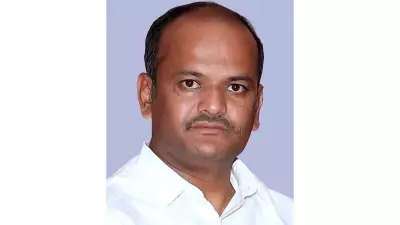
In a notable development in Telangana, Devji, a prominent leader of the Communist Party of India (Maoist), has officially surrendered to authorities and revealed plans to enter mainstream politics. This move signals a dramatic transition from armed insurgency to democratic participation, potentially reshaping local political dynamics and security strategies in the region.
Background and Surrender Details
Devji, whose real name is yet to be fully disclosed in public records, was a key figure in the Maoist movement operating across the dense forests and rural areas of Telangana. Known for his organizational skills and influence among cadre members, he had been active for over a decade, advocating for revolutionary change through armed struggle against state forces.
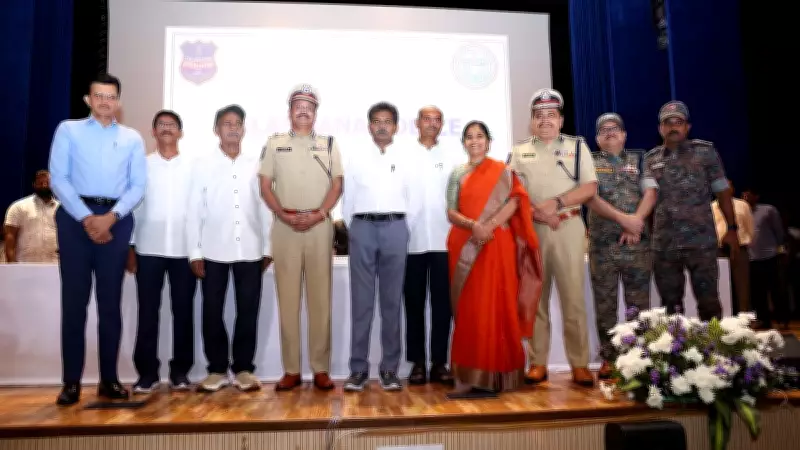
The surrender process was facilitated by state police and intelligence agencies, who have been intensifying efforts to curb Maoist activities in Telangana. According to sources, Devji expressed disillusionment with the violent path of the Maoist ideology and a desire to contribute to society through peaceful, political means. His decision follows a broader trend of Maoist surrenders in recent years, attributed to enhanced security operations and rehabilitation programs.

Political Entry and Implications
After his surrender, Devji announced his intention to join mainstream politics, though he has not specified a particular political party or platform yet. This announcement has sparked discussions among political analysts and security experts about its potential impact. On one hand, it could lead to a reduction in Maoist violence in Telangana, as his departure might weaken the group's operational capabilities. On the other hand, his entry into politics could influence voter sentiments, especially in areas historically sympathetic to Maoist causes, by bringing issues of tribal rights, land reforms, and social justice to the forefront.
Authorities have welcomed this development, viewing it as a success for their counter-insurgency strategies and a step toward lasting peace. However, they remain cautious, monitoring the situation to ensure a smooth transition and prevent any security breaches. The state government has assured that Devji will be provided with necessary protection and support as part of the surrender and rehabilitation policy.
Reactions and Future Outlook
Reactions to Devji's political plans have been mixed. Some local residents and activists see it as an opportunity for dialogue and inclusive development, hoping his insights can address long-standing grievances. Others, including rival political groups, express skepticism, questioning his motives and the potential for Maoist ideology to infiltrate mainstream politics.
Looking ahead, Devji's journey from a Maoist leader to a political aspirant will be closely watched. It underscores the evolving nature of conflict resolution in India, where surrender and rehabilitation are increasingly prioritized over confrontation. If successful, his political entry could set a precedent for other insurgents to follow suit, fostering stability in conflict-affected regions.
In summary, Devji's surrender and political announcement mark a pivotal moment in Telangana's security and political landscape, highlighting the complex interplay between insurgency, governance, and social change in contemporary India.