Political Showdown Over Metro Rail Projects
The DMK-led Secular Progressive Alliance has declared a major protest movement against the Central government's decision to deny metro rail projects to Tamil Nadu's crucial urban centers. The political confrontation escalates as the alliance prepares for demonstrations in two key cities.
Protest Schedule and Locations
The Secular Progressive Alliance will hold protests in Coimbatore on November 20, followed by Madurai on November 21. This strategic scheduling ensures maximum visibility and public participation across both major tier-two cities affected by the Centre's decision.
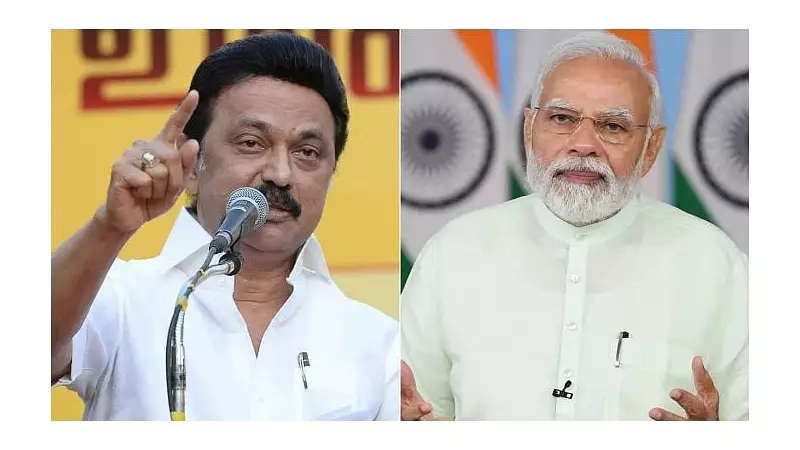
The face-off between DMK and BJP intensifies as the state government challenges what it perceives as discriminatory treatment toward Tamil Nadu's infrastructure development needs. Both Coimbatore and Madurai represent vital economic hubs that have been awaiting metro rail connectivity for several years.
Background of the Metro Rail Dispute
The controversy erupted when the Central government communicated its decision not to approve metro rail projects for these two prominent Tamil Nadu cities. This rejection comes despite repeated proposals and detailed project reports submitted by the state administration.
Madurai and Coimbatore rank among Tamil Nadu's most populated and economically significant cities after Chennai. The absence of metro rail infrastructure is seen as a major setback for urban mobility and economic growth in these rapidly expanding urban centers.
Political observers note that this development adds another layer to the ongoing tensions between the DMK-led state government and the BJP-led Central administration. The metro rail issue has quickly transformed into a symbol of larger political and federal relationship challenges.
Broader Political Implications
The protest announcement signals the DMK's determination to take the issue directly to the public domain. By organizing demonstrations in the affected cities themselves, the party aims to highlight what it characterizes as the Centre's neglect of Tamil Nadu's developmental requirements.
The November 20-21 protests are expected to draw significant participation from local residents, political workers, and civil society organizations. The events will likely feature prominent leaders from the Secular Progressive Alliance, potentially including senior DMK figures.
This confrontation over urban infrastructure development reflects deeper political undercurrents in Tamil Nadu, where federal-state relations remain a sensitive and frequently debated topic. The metro rail denial has provided fresh ammunition for the ruling state alliance to criticize the Central government's approach to regional development priorities.
As the protest dates approach, all eyes remain on how the situation will evolve and whether any negotiations might occur between the state and central governments to resolve the impasse over these critical infrastructure projects.