In a significant political statement, a senior leader of the Dravida Munnetra Kazhagam (DMK) has categorically ruled out the formation of a coalition government in Tamil Nadu following the upcoming state legislative assembly election. The declaration sets a clear tone for the party's campaign strategy and alliance dynamics.
Stalin's Firm Stand Against Power-Sharing
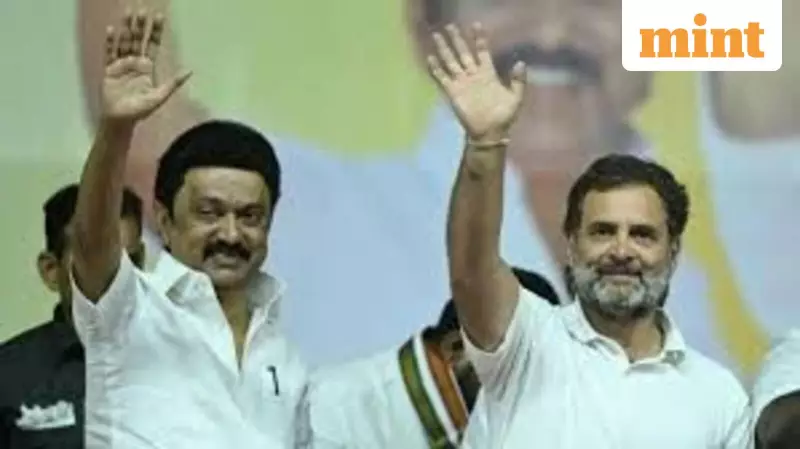
State Minister and senior DMK leader I Periyasamy, while addressing the media on Sunday, revealed that Chief Minister M.K. Stalin remains unwavering in his opposition to any arrangement involving the sharing of power with alliance partners. This statement comes as a direct response to the Tamil Nadu Congress Committee's recent public demand for a "share in power" should the DMK-led alliance secure victory in the polls scheduled for this year.
Periyasamy acknowledged that it was the Congress party's right to place such a request. However, he was quick to delineate the DMK's long-held and consistent position on the matter. He emphasized that the party's history and political philosophy do not accommodate coalition governance at the state level.

"No Coalition Government" - A Historical Stance
Elaborating on the party's entrenched viewpoint, the minister made a definitive historical assertion. "There had never been a coalition government," Periyasamy stated, according to PTI reports. He added a clarifying note to this, pointing out that the state has always been administered solely by the DMK whenever the party has been in power, implying a continuation of this tradition.
This firm rejection underscores the DMK's confidence in seeking a clear mandate from the electorate, rather than preparing for post-poll negotiations that could dilute its administrative authority. The stance is seen as a move to project strength and clarity of leadership under Chief Minister Stalin, especially when facing a principal opponent like the AIADMK.
Implications for the DMK Alliance
The outright dismissal of a coalition model carries immediate implications for the DMK's existing alliance, particularly its relationship with the Indian National Congress, which is a significant partner. While the parties are expected to continue their electoral understanding and seat-sharing arrangements for the upcoming battle, the power-sharing clarification draws a distinct line for governance.
Political analysts suggest this move aims to manage expectations within the alliance from the very beginning, preventing any potential internal conflict or bargaining after the election results are declared. It reinforces the DMK's position as the undisputed leader of the alliance bloc in Tamil Nadu. The party's message is clear: votes may be pooled, but the responsibility of governing will not be.
As Tamil Nadu gears up for the high-stakes legislative assembly election this year, this declaration by a senior minister has firmly set one of the foundational rules of the political contest. The DMK, under M.K. Stalin, is positioning itself not as a participant in a collaborative government, but as the sole party seeking a decisive mandate to rule the state.