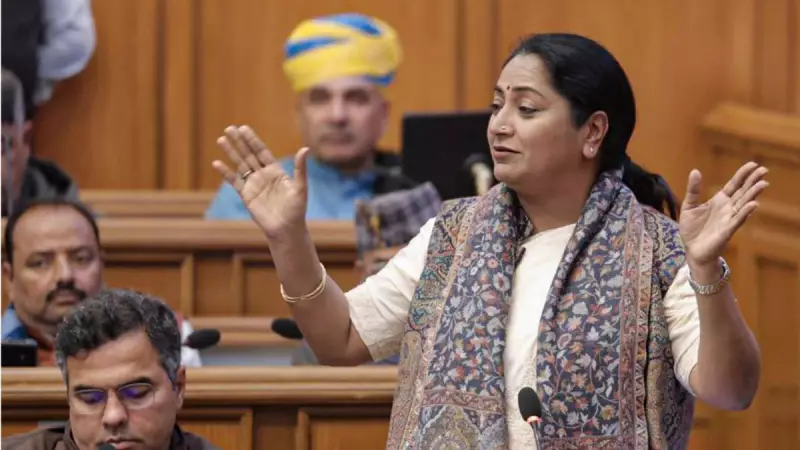
In a dramatic and emotionally charged moment in the Delhi Legislative Assembly, Speaker Rekha Gupta broke down on Tuesday, January 9, 2026, accusing the ruling Aam Aadmi Party (AAP) of subjecting her to persistent mockery and disrespect. The incident brought the day's proceedings to a standstill, laying bare the deep-seated tensions between the BJP-appointed Speaker and the AAP majority.
An Emotional Outburst in the House
The scene unfolded during a session where Gupta, who holds the constitutional chair of the Speaker, struggled to maintain order. Visibly distressed, she addressed the assembly, her voice trembling with emotion. She stated that she had been tolerating continuous insults and derogatory behavior from AAP legislators for a long time, which had finally become unbearable.
The Speaker explicitly highlighted that the mockery was not just about her role but was also deeply personal. She expressed her frustration over the conduct of AAP members, alleging that their actions were aimed at undermining the dignity of the Speaker's chair. This public display of vulnerability from a presiding officer is a rare occurrence in Indian legislative bodies, underscoring the severity of the breakdown in decorum.

The Context of Persistent Confrontation
The friction between Speaker Rekha Gupta and the AAP MLAs is not new. Since her appointment, the Assembly has witnessed frequent clashes, with AAP members often challenging her rulings and accusing her of partisan conduct favoring the opposition Bharatiya Janata Party (BJP). The BJP, on the other hand, has consistently defended the Speaker, labeling the AAP's behavior as anarchic and disrespectful to constitutional norms.
Tuesday's episode was the culmination of these ongoing hostilities. Sources indicate that the immediate trigger might have been a series of interjections and comments from the treasury benches during her attempts to conduct the Question Hour. The specific remarks that led to her emotional response were not detailed in the official record but were significant enough to prompt her unprecedented address to the House.
Political Reactions and Fallout
The incident immediately sparked sharp reactions from both sides of the political aisle. BJP legislators rallied in support of Speaker Gupta, condemning the AAP's alleged bullying tactics. They framed the event as a testament to the AAP government's intolerance and its disregard for parliamentary procedures and institutions.
AAP members, however, offered a different perspective. While some expressed regret that the Speaker felt hurt, they defended their right to robustly question rulings and hold the chair accountable. They reiterated longstanding grievances about the Speaker's impartiality, suggesting that the frustration was mutual and born out of procedural disagreements.
The confrontation raises serious questions about the future functioning of the Delhi Assembly. With a clear majority, the AAP government and a Speaker from the opposition BJP are locked in a structural conflict. This incident threatens to further polarize the environment, potentially leading to more frequent adjournments and legislative paralysis. The need for a functional relationship between the legislature and the presiding officer is critical for governance, and this breakdown poses a direct challenge to that.
Broader Implications for Democratic Decorum
Beyond the immediate political blame game, the event highlights a worrying trend of eroding decorum in India's legislative forums. The role of the Speaker is sacrosanct in a parliamentary democracy, designed to be an impartial arbiter. When the chair itself feels targeted and disrespected, it strikes at the very heart of democratic discourse and institutional integrity.
Observers note that such public emotional breakdowns by high constitutional officers can damage public trust in legislative institutions. It underscores the urgent need for all parties to engage in self-reflection and establish basic norms of engagement. The incident on January 9, 2026, serves as a stark reminder that political rivalry must not cross the line into personal vilification or institutional sabotage.

As Delhi's political landscape remains sharply divided, the path to restoring a functional and respectful atmosphere in the Assembly appears challenging. The onus now lies on the leadership of both the AAP and the BJP to de-escalate tensions and ensure that the people's business can be conducted with the dignity and efficiency it demands.