Delhi Government Considers Extending Liquor Policy to 2027
With a new excise policy still under development for over three years, the Delhi government is likely to extend its existing liquor policy yet again. Originally set to expire on March 31, 2025, after a nine-month extension granted in August 2025, officials have proposed an extension until March 2027 to prevent potential disruptions in liquor supply across the capital.
Proposal to Avoid Supply Disruptions
The excise department has formally moved a proposal to the government, seeking approval for this extension. If sanctioned, it would mark the longest extension of the current policy framework. Officials warn that failure to extend the policy by mid-March could lead to significant supply chain issues, affecting availability in Delhi's retail outlets.
Industry Calls for Stability and Modernization
Liquor industry representatives have expressed growing frustration over the prolonged delay in notifying a new policy, which has created market uncertainty. Vinod Giri, Director General of the Brewers Association of India, highlighted that neighboring states like Uttar Pradesh, Haryana, and Rajasthan have implemented timely, long-term excise policies spanning two to four years to ensure business stability.

Giri emphasized that Delhi must introduce a new, stable policy to:
- Ensure quality products
- Restore industry confidence
- Retain business within the capital
- Protect government revenues
Background and Political Factors
The current excise policy has been in effect since September 2022, following the scrapping of a 2021-22 regime drafted by the then AAP government amid allegations of irregularities. Initial expectations for a new policy in late 2022 were derailed by multiple factors:
- Investigations into the previous policy
- The 2024 Lok Sabha elections
- Delhi assembly polls in 2025
A CBI probe led to arrests of several AAP members, including former Chief Minister Arvind Kejriwal, prompting the government to revert to the old policy framework. After coming to power in February 2025, the BJP government initiated the drafting process for a new policy, but it remains incomplete.
Impact of Repeated Extensions
Repeated extensions have resulted in periodic supply constraints, with several premium Indian and international brands often unavailable on Delhi's shelves. Industry representatives argue that the existing policy, intended as a temporary measure, retains flaws such as:
- Promotion of specific brands
- Cheap imports
- Poor retail experiences
Giri cautioned that Delhi risks revenue losses and business flight if a new policy is not announced promptly, urging modernization akin to neighboring states where private retailers offer broader product availability.
Current Retail Structure and Draft Policy Details
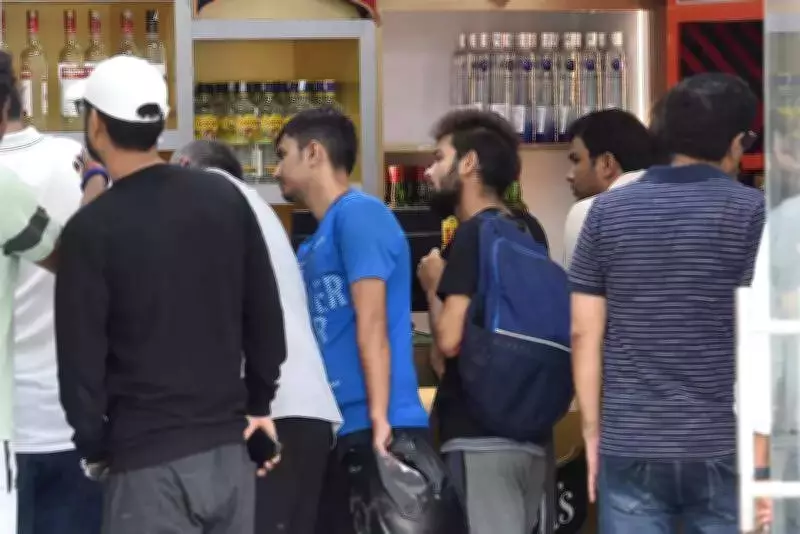
At present, retail liquor sales in Delhi are conducted exclusively through government-run outlets. Although the current policy allows for private participation, it was decided to maintain operations under four government corporations. The BJP government has prepared a draft excise policy aimed at modernizing and expanding state-run vends by:
- Opening larger, better-stocked stores in malls and shopping complexes
- Continuing the existing structure without private participation
This draft, which awaits cabinet approval, has undergone multiple consultations but remains in development. If the existing policy is extended, licenses for wholesale (L-1, L-1F), retail (L-2), hotels, clubs, and restaurants will be renewed under current terms upon payment of applicable fees, with government-run outlets also renewing permits to continue operations.