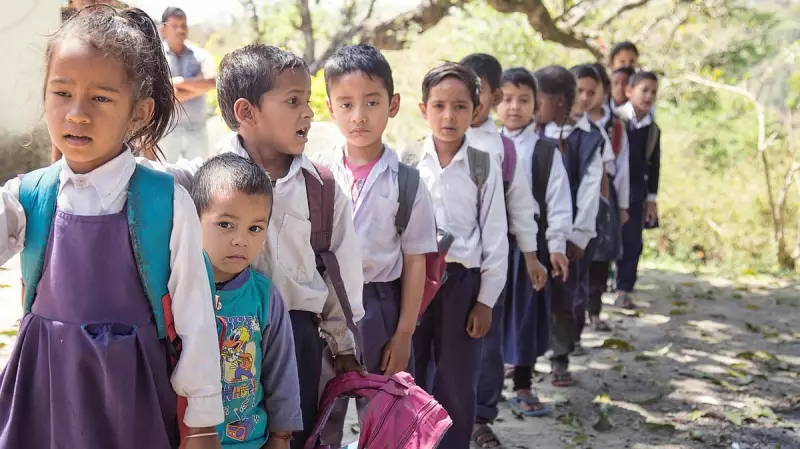
Darjeeling Schools Granted Exemption from State Anthem Mandate
In a significant development for educational institutions in the hills, students at schools in the Darjeeling region have been officially exempted from singing the state anthem during their daily prayer sessions. This decision, confirmed by a senior official from the West Bengal Board of Secondary Education (WBBSE), carves out a special provision for schools operating within the jurisdiction of the Gorkhaland Territorial Administration (GTA).
Official Confirmation and Regional Context
The WBBSE official explicitly confirmed that the directive to make the recitation of the state anthem compulsory would not be enforced within the GTA region. This administrative area, which encompasses Darjeeling and its surrounding hill areas, has a unique socio-political identity. The exemption, announced and reported on 08 November 2025 This move differentiates the schools in the hills from those in the rest of the state, where the anthem is now a mandatory part of the morning assembly routine. The decision underscores the ongoing efforts to balance state-wide educational policies with regional specificities. The exemption is seen as a sensitive handling of a potentially contentious issue. The Darjeeling hills have a long history of demands for greater autonomy and recognition, often centered around a separate Gorkhaland state. Mandating a state symbol in this context could have been perceived as culturally insensitive or politically provocative. By granting this exemption, the education board has likely averted potential unrest and ensured that the school environment remains focused on academics and harmony. It is a recognition that a one-size-fits-all policy may not be suitable for every region within a diverse state like West Bengal. This decision sets a precedent for how educational authorities can navigate complex regional dynamics while implementing broader policies. The focus remains on providing education without inflaming local sentiments, a crucial balance for maintaining peace and stability in the region.
Implications and Broader Significance