Chennai Political Storm Over VCK Chief's Criticism of Ancient Tamil Monarchs
A significant political controversy has erupted in Chennai following remarks made by VCK chief Thol Thirumavalavan against the ancient Tamil kings Chera, Chola, Pandya, and Pallava. The comments, delivered during a memorial event for Tamil journalist K Muthukumaran on January 29, have drawn sharp criticism from leaders across multiple political parties, igniting a fresh debate about Tamil identity and historical legacy.
Thirumavalavan's Controversial Statements
Speaking at the memorial gathering, Thirumavalavan asserted that the Tamil monarchs were responsible for the destruction of Tamil language and culture. He claimed their rule facilitated the spread of Sanskrit, Hindutva, and Sanatana traditions throughout the region. "I have no respect for kings, nor do I view them as great forces. This land was ruined during their period. Tamil was pushed out of temple sanctums as rulers were drawn to Brahminical rituals and yagams," he stated emphatically.
The memorial event honored K Muthukumaran, a Tamil journalist who tragically set himself on fire following the conclusion of the Eelam war in 2009. His protest was a desperate demand for safety and protection for Sri Lankan Tamils, adding a layer of emotional significance to the gathering where Thirumavalavan made his remarks.

Political Backlash from AMMK and BJP Leaders
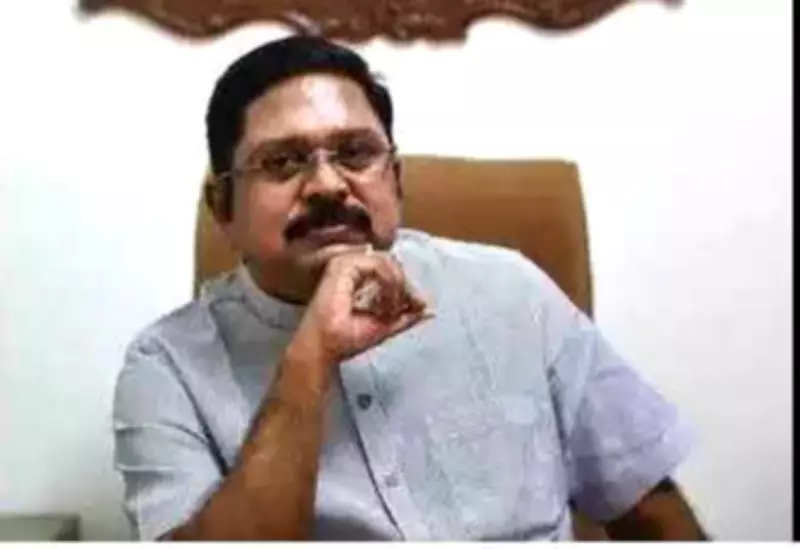
The VCK leader's comments triggered immediate and strong reactions from political opponents. AMMK general secretary T T V Dhinakaran condemned the statements on Saturday, arguing that Tamil kings actually safeguarded Tamil culture, heritage, and valour throughout history. Dhinakaran posed a pointed question: "Would Thirumavalavan dare raise similar doubts about the Tamil identity of leaders like former chief minister M Karunanidhi or current chief minister M K Stalin?"
Dhinakaran further accused the VCK leader of making "derogatory remarks" specifically to appease the DMK, suggesting political motivations behind the controversial statements.
State BJP president Nainar Nagenthran and his predecessor K Annamalai joined the criticism, creating a united front against what they termed an "insult to Tamil civilisation." Their collective condemnation has amplified the political row, turning what might have been a historical debate into a contemporary political battleground.
Broader Implications for Tamil Nadu Politics
This controversy touches on several sensitive aspects of Tamil Nadu's political and cultural landscape:
- Historical Interpretation: The debate reveals deep divisions in how different political factions interpret Tamil history and the legacy of ancient rulers
- Cultural Identity: At stake are competing visions of what constitutes authentic Tamil culture and who gets to define it
- Political Alliances: The accusations of appeasing the DMK suggest underlying tensions within Tamil Nadu's complex political ecosystem
- Electoral Implications: Such controversies often resonate with voters who have strong feelings about Tamil heritage and identity
The timing of this controversy is particularly significant as it emerges against the backdrop of ongoing political realignments and preparations for future elections in Tamil Nadu. The strong reactions from multiple parties indicate that historical narratives remain potent political tools in the state's contemporary discourse.
As the debate continues to unfold, it highlights how interpretations of ancient history continue to shape modern political conflicts in Tamil Nadu. The controversy serves as a reminder that in India's southern state, questions of cultural heritage and historical legacy remain deeply intertwined with current political calculations and identity politics.