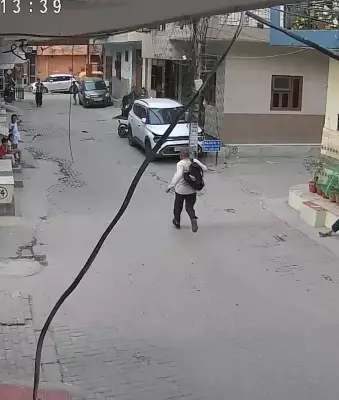
Residents of a village in Haryana's Kaithal district are set to receive a significant boost to their local security infrastructure. In a proactive move, authorities have decided to install closed-circuit television (CCTV) cameras at strategic locations within the village.
Addressing Public Demand for Safety
The decision to implement the surveillance system comes directly from a request made by the village community itself. During a recent public dialogue session, known as a 'Samvad', villagers expressed their concerns regarding safety and the need for better monitoring to deter unlawful activities. The initiative is being spearheaded by the local Member of the Legislative Assembly (MLA), Sh. Leela Ram Gujjar.
Following the public interaction, MLA Leela Ram directed the relevant officials to take swift action. He instructed the Executive Officer (EO) of the Municipal Council, Kaithal, Sh. Pradeep Kumar, to prepare a detailed estimate for the project. The plan involves installing CCTV cameras at all major entry and exit points of the village, creating a network that covers critical public areas.

Official Directives and Project Execution
The directive from the MLA was clear and action-oriented. He emphasized that the estimate for the camera installation work should be prepared and submitted promptly so that the project can move to the tendering and execution phases without unnecessary delay. This step is crucial for transforming the public demand into tangible on-ground security measures.
Officials from the Municipal Council have acknowledged the instructions and are now tasked with surveying the village to identify the exact number of cameras required and the most effective points for their installation. The project underscores a collaborative effort between elected representatives, civic administration, and the community to enhance public welfare.
Expected Impact on Crime Prevention
The installation of CCTV cameras is widely seen as a powerful tool for modern crime prevention and investigation. In rural and semi-urban settings, such surveillance systems act as a strong deterrent against theft, vandalism, and other anti-social activities. The visible presence of cameras often discourages potential offenders.
Furthermore, the footage from these cameras will serve as valuable evidence for law enforcement agencies, aiding in the swift resolution of any incidents that do occur. This move is expected to significantly increase the sense of security among the villagers, allowing them to go about their daily lives with greater peace of mind. It represents a step towards integrating technology with traditional community policing and governance.
The project in Kaithal village highlights a growing trend across India where local administrations are leveraging affordable technology to address grassroots security concerns. It sets a precedent for other villages in the region to consider similar measures based on direct feedback from their residents.