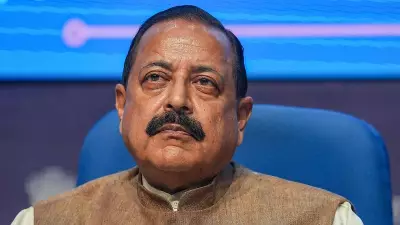
BRS Leader Demands Immediate Ban on Toxic Weedicide Paraquat in Telangana
In a significant development concerning agricultural safety in Telangana, senior BRS leader and former MP B Vinod Kumar has made an urgent appeal to Chief Minister A Revanth Reddy. The veteran politician has called for an immediate and comprehensive ban on the highly toxic weedicide paraquat dichloride across the state, citing alarming statistics about farmer welfare and public health.
Urgent Call for Action on Paraquat Prohibition
Vinod Kumar submitted a formal letter to the chief minister on Saturday, presenting compelling evidence about the dangers of paraquat. He revealed that this particular weedicide has already been prohibited in more than 70 countries worldwide and several states within India due to its extreme toxicity. The former MP emphasized that government intervention is crucial to prevent further tragedies in the agricultural community.
The statistics presented are particularly disturbing: According to available reports, over 80% of farmers who died by suicide in Telangana had used paraquat dichloride. This correlation highlights the urgent need for regulatory action to protect vulnerable agricultural workers from this hazardous chemical.

Grassroots Concerns and Farmer Awareness Initiatives
The push for banning paraquat originated from ground-level concerns raised by Marri Mahesh Reddy of Kondagattu in Jagtial district. Mahesh Reddy and his dedicated team conducted extensive village visits across Telangana to educate farmers about the severe dangers associated with paraquat usage. Their field interactions revealed widespread use of this weedicide for controlling unwanted vegetation in agricultural fields.
"During their comprehensive field surveys," Vinod Kumar noted, "the team discovered that paraquat's easy availability has led to tragic misuse as a means of suicide among distressed farmers facing agricultural challenges."
Scientific Evidence of Health and Environmental Hazards
The former parliamentarian presented detailed scientific evidence about paraquat's unique dangers. Unlike many other pesticides and herbicides, paraquat has no medical antidote available for poisoning cases. Even accidental ingestion or exposure often proves fatal, with medical professionals finding it extremely difficult to save victims' lives once contamination occurs.
Scientific studies have established several critical concerns:
- Prolonged exposure to paraquat spraying causes severe damage to the human nervous system
- The chemical poses serious environmental hazards that affect ecosystems
- Paraquat gradually degrades soil fertility over time, compromising agricultural sustainability
- The weedicide leaves lasting contamination in treated areas
Proposed Alternatives and Sustainable Solutions
Beyond calling for the ban, Vinod Kumar proposed constructive alternatives and government initiatives. He strongly recommended that the state government promote safer weed management practices, including:
- Mechanical alternatives like brush cutters for weed control
- Other less hazardous chemical and non-chemical weed management methods
- Comprehensive awareness programs educating farmers about safe agricultural practices
- Training initiatives on sustainable farming techniques that minimize chemical dependency
The BRS leader emphasized that immediate and decisive action is necessary to safeguard both farmer lives and public health. He urged the government to consider the gravity of the situation and implement protective measures without delay, potentially saving countless lives and preserving agricultural sustainability in Telangana.