Bengaluru Civic Party Challenges Waste Management Fee Implementation
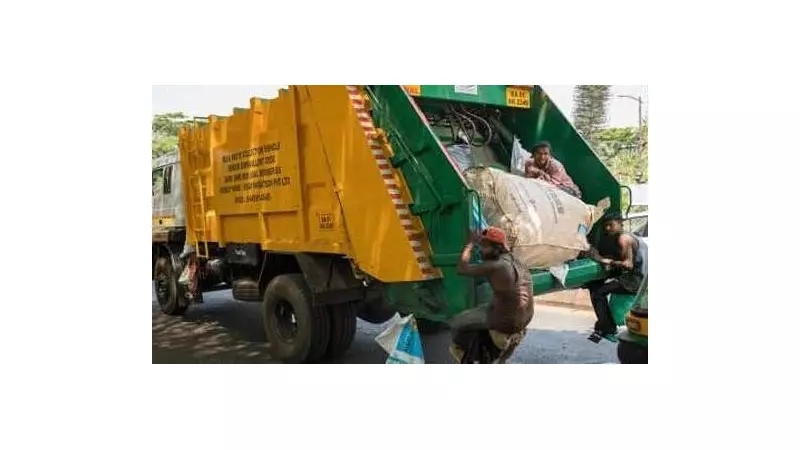
The Bengaluru NavaNirmana Party has launched a strong protest against the city's newly implemented Solid Waste Management user fee system, demanding its immediate rollback. The political party describes the current rollout as fundamentally flawed and lacking in transparency.
In a statement released on November 18, 2025, the BNP clarified that their opposition does not represent a refusal to fulfill civic responsibilities. Instead, they emphasize this as a call for equitable treatment, clear governance, and proper administrative processes in how Bengaluru manages its waste collection fees.
Call for Fairness Over Fee Evasion
The party's position strikes a careful balance between acknowledging citizens' obligations and demanding systemic improvement. This is not a call to evade civic responsibility, the BNP explicitly stated. It is a call for fairness, transparency and good governance.
This nuanced approach suggests the party recognizes the necessity of waste management funding while challenging the methodology and implementation of the current fee structure. Their demand focuses on procedural rectification rather than outright rejection of the concept.
Growing Civic Concerns in India's Tech Capital
The controversy emerges amid ongoing challenges in Bengaluru's urban infrastructure management. As India's prominent technology hub continues to expand, waste management has become an increasingly pressing issue for residents and administrators alike.
The BNP's protest highlights the delicate balance municipal authorities must maintain between funding essential services and ensuring those services are administered fairly. The party's stance suggests significant discontent with how the Solid Waste Management fee system has been introduced to Bengaluru's citizens.
With this demand for rollback, the Bengaluru NavaNirmana Party positions itself as advocating for taxpayer interests while pushing for improved governance standards in urban administration. The development signals potential political mobilization around civic infrastructure issues in India's major metropolitan centers.