Bike Taxi Riders in Bengaluru Face Escalating Harassment from Auto and Cab Drivers
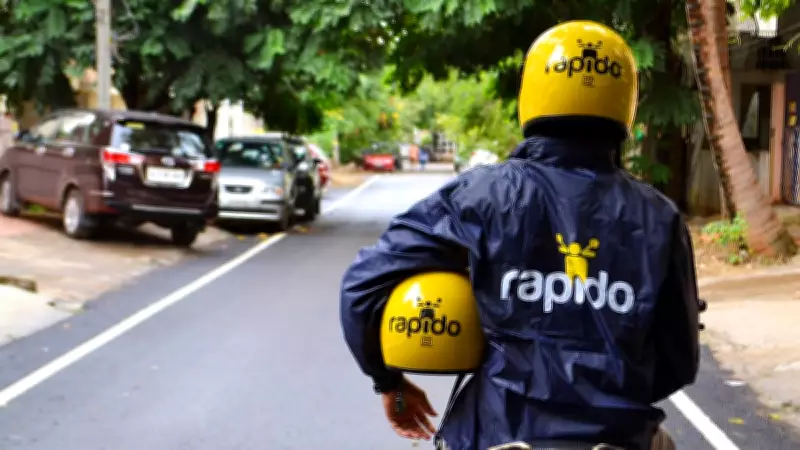
Bike taxi riders in Bengaluru are experiencing a surge in harassment and resistance from auto-rickshaw and cab drivers, a situation that has intensified since the recent revocation of the bike taxi ban in the city. This conflict highlights the ongoing tensions within Bengaluru's competitive transportation sector.
Rising Tensions and Personal Accounts
Balaji Venkat, a 58-year-old bike taxi rider, has shared his distressing experiences, noting that the resistance from auto drivers has worsened significantly after the ban was lifted. He described incidents of verbal abuse, intimidation, and even physical threats that have become more frequent and aggressive.
Other riders have echoed similar concerns, reporting that auto and cab drivers often block their paths, engage in heated arguments, and create obstacles during pickups and drop-offs. This harassment not only affects the riders' safety but also disrupts their ability to earn a livelihood in the bustling city.

Background of the Bike Taxi Ban and Its Revocation
The bike taxi ban in Bengaluru was initially implemented due to regulatory and safety concerns, but it was recently revoked, allowing bike taxis to operate legally once again. This decision has reignited old rivalries, as auto and cab drivers perceive bike taxis as direct competitors for passengers, especially for short-distance trips.
Auto drivers argue that bike taxis undercut their fares and operate without proper licensing, while bike taxi riders contend that they provide an affordable and efficient alternative in a city known for its traffic congestion. The lack of clear regulations and enforcement mechanisms has exacerbated these disputes.
Impact on Daily Operations and Safety
The harassment has led to a challenging work environment for bike taxi riders, who now face daily confrontations that compromise their mental well-being and physical security. Many riders report feeling anxious and stressed while on the job, fearing potential altercations.
This situation also affects commuters, as the conflicts can lead to delays and unsafe conditions on the roads. Some residents have expressed concern over the escalating tensions, calling for authorities to intervene and ensure peaceful coexistence among all transportation providers.
Calls for Resolution and Regulatory Clarity
Stakeholders are urging the government and transportation authorities to address these issues promptly. Suggestions include:
- Implementing clear guidelines for bike taxi operations to prevent fare undercutting and ensure compliance.
- Enhancing enforcement measures to protect riders from harassment and violence.
- Facilitating dialogue between auto, cab, and bike taxi associations to foster mutual understanding.
- Promoting public awareness about the benefits of diverse transportation options in Bengaluru.
As Bengaluru continues to grow, finding a balance between innovation in mobility and the livelihoods of traditional transport workers remains a critical challenge. The ongoing harassment underscores the need for comprehensive policies that support all stakeholders in the city's evolving transportation landscape.