Officials in Bihar's Darbhanga district are encountering fierce resistance from male villagers ordered to return Rs 10,000 that was mistakenly deposited into their bank accounts under a women's welfare scheme. The situation has escalated into a political standoff, with locals demanding the government "return our votes" before they refund the money.
The Scheme and the 'Technical' Error
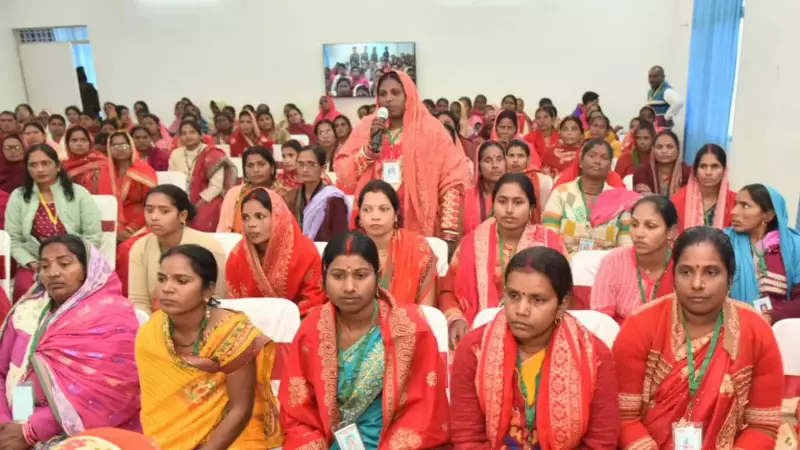
Prime Minister Narendra Modi launched the Mukhyamantri Mahila Rojgar Yojana on September 26 this year, ahead of the state assembly polls. The scheme aimed to provide Rs 10,000 each to approximately 1.40 crore women entrepreneurs across Bihar. However, officials from Jeevika, the state's poverty alleviation initiative, admitted that due to technical problems, the financial assistance was also credited to the bank accounts of some male villagers in the Jale block of Darbhanga.
Following the discovery of the error, Jeevika officials issued recovery notices to these beneficiaries, asking them to return the money. A district official, speaking anonymously, confirmed that notices had been sent to 14 male villagers in Ahiyari village.

Villagers' Defiant Stand: "Vote Wapas Kar Do"
The recovery drive has hit a wall, with villagers outright refusing to comply. They have framed the accidental transfer as a transaction for their electoral support, declaring that "accounts were settled" after they voted for the ruling NDA alliance.
Nagendra Ram, a physically disabled farm labourer and father of five, received one such notice. He asserted he never applied for the funds and believed it was legitimate financial aid. "If the government says the money was credited by mistake, why did the notice come after three months?" Ram questioned. He spent the amount on clothes and household essentials during Diwali and Chhath. His demand was clear: "Hamara vote wapis kar do, ham paisa lauta denge (Return our vote, we will refund the money)."
Another villager, Baliram Sahani, who is also physically disabled, echoed the sentiment. Sahani, a landless construction worker earning about Rs 300 daily, used the money to buy ducks and two goats to support his family of seven. "Vote da daliye, rupiya saidh geliye," he stated, implying the matter was closed after voting. He questioned the delay in issuing the notice, saying he would have believed it was a genuine mistake if the government had acted within a week.
Anger and the Political Undertone
The villagers' anger is compounded by the timing of the recovery notices, which arrived over a month after the NDA government returned to power in the state. This delay has fueled their belief that the money was linked to the election cycle.
Women in the village have expressed even stronger resentment. Pramila Devi argued, "Hamara paisa mang raha hai toh hamara vote bhi wapas kar de (If the government wants our money back, then it should return our votes too)."
Despite the resistance, the Jeevika official noted that seven villagers had returned the money after receiving notices, maintaining that the transfer was an error that needed correction. The standoff in Ahiyari village highlights the challenges in rectifying administrative glitches when they become entangled with public perception and political sentiment, especially among economically vulnerable communities.