Bihar's Crisis Management Group Holds Inaugural High-Level Meeting
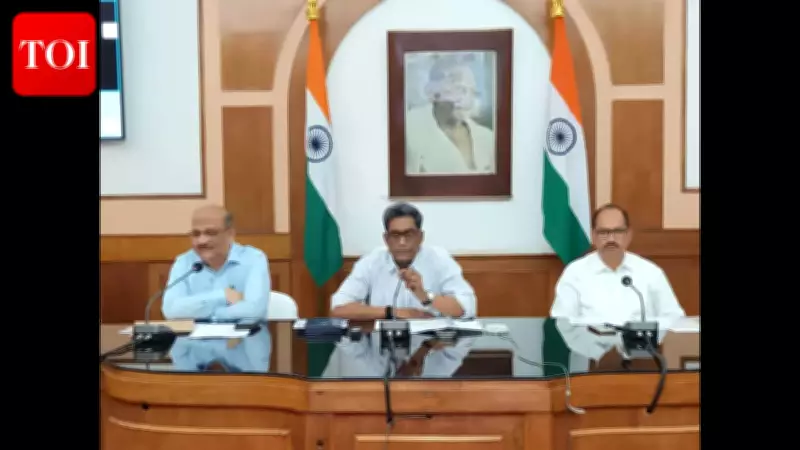
In a significant move to bolster state preparedness, Bihar Chief Secretary Pratyaya Amrit presided over the first high-level meeting of the newly formed Crisis Management Group (CMG) on Monday. The comprehensive 90-minute session focused on critical issues affecting the state's stability and citizen welfare.
Ensuring Uninterrupted Essential Supplies and Combating Black Markets
Amrit issued clear directives to officials to guarantee the continuous supply of essential commodities and services across all districts of Bihar. He emphasized the urgent need to take stringent action against hoarding and black marketing of LPG cylinders, particularly warning that such activities tend to escalate during periods of crisis. The chief secretary declared that preventing these illegal practices remains the state government's highest priority.
"Immediate registration of FIRs and strict legal action must be taken against anyone found involved in hoarding or black marketing," Amrit stated during the meeting. He specifically instructed border districts to maintain heightened vigilance to prevent cross-border smuggling and illegal stockpiling.

Accelerating PNG Infrastructure Development Across Bihar
A major focus of the meeting was the expedited rollout of Piped Natural Gas (PNG) connections throughout the state. Amrit expressed strong dissatisfaction with the complete lack of progress in 14 districts where PNG implementation has stalled completely.
During the review, the food and consumer protection department presented detailed statistics revealing that while 60% of commercial demand for PNG is currently being met, household connections lag significantly. The state has set an ambitious target of 3,68,783 household PNG connections. Current progress shows:
- Pipelines have reached designated areas for 2,30,939 households, though connections remain pending
- 31,458 households are technically ready for charging, with pipelines reaching individual homes but supply yet to commence
- Only 96,474 households are currently using PNG services across Bihar
The chief secretary directed district magistrates and superintendents of police from the affected districts to coordinate closely with the food and consumer protection department and develop immediate action plans to jumpstart stalled projects.
Addressing LPG Supply Backlogs and Fuel Availability
The meeting conducted a thorough review of LPG cylinder supply backlogs, identifying particularly concerning situations in West Champaran, Bhojpur, Gaya, Darbhanga, Nalanda, Rohtas, Muzaffarpur, Saran, Vaishali, Begusarai, Bhagalpur, East Champaran, Jehanabad, and Jamui districts.
Amrit issued strict instructions to district magistrates and superintendents of police in these areas to clear the accumulated backlogs without delay. He further mandated that LPG supply to critical facilities like Didi Ki Rasoi (community kitchens) and all government hostels must remain uninterrupted under any circumstances.
To ensure fuel availability, all superintendents of police received orders to conduct surprise inspections at petrol pumps across their jurisdictions, verifying the smooth availability of diesel and petrol for consumers.
Protecting Migrant Workers' Interests and Establishing Support Systems
Recognizing the vulnerability of migrant workers, the chief secretary directed the labour resources department to immediately establish a toll-free helpline number specifically for Bihari workers returning from West Asia or other Indian states. This helpline will provide crucial information about available government assistance programs and support services.
Additionally, district magistrates received instructions to create accurate, up-to-date databases documenting migrant workers arriving in their districts, enabling targeted support and resource allocation.
Institutional Framework and Future Meetings
The food and consumer protection department has been officially designated as the nodal department for the Crisis Management Group, responsible for coordinating efforts across various agencies. Amrit announced that the CMG will now convene regularly every Monday to monitor progress and address emerging challenges.

The inaugural meeting saw participation from top state officials including the development commissioner, additional chief secretary (home), director general of police, and principal secretary-and secretary-level officers from multiple departments. In-charge secretaries of all districts, district magistrates, superintendents of police, and divisional commissioners joined via video conferencing, while representatives from major oil companies attended in person to provide industry perspectives.