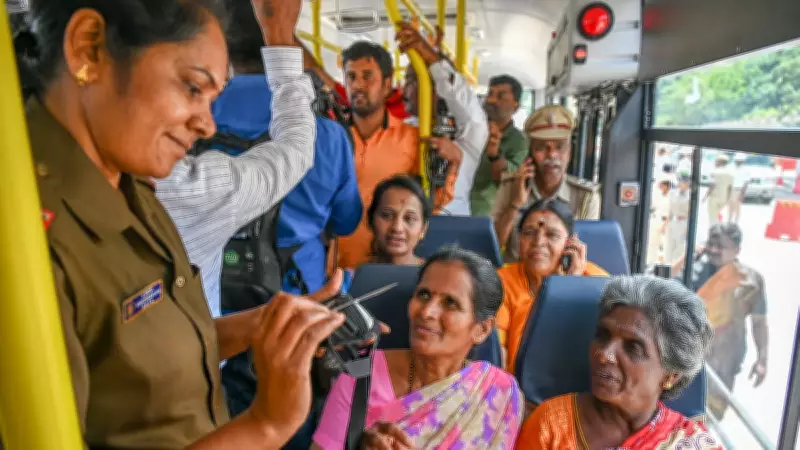
Private Transporters in Bengaluru Push for District-Level Cap on Shakti Scheme
In a significant development, private transporters operating in Bengaluru have formally requested the implementation of a district-level cap on the Shakti scheme. This move aims to address concerns over operational challenges and financial burdens faced by the transport sector in the region.
High Taxes Drive Bus Registrations Outside Karnataka
Reports indicate that more than 3,000 non-AC buses, including 16- and 22-seater models, have been registered outside Karnataka. This trend is primarily attributed to the high taxes imposed within the state, which have made it economically unviable for many operators to maintain local registrations.
The exodus of bus registrations has raised alarms among industry stakeholders, who argue that it undermines local revenue and complicates regulatory oversight. Transporters are now urging policymakers to reconsider tax structures to retain business within Karnataka.

Demand for Paid Bus Terminal Near Race Course Road
In addition to the cap on the Shakti scheme, private transporters are advocating for the establishment of a paid bus terminal near Race Course Road in Bengaluru. This facility is seen as crucial for improving operational efficiency and providing better services to commuters.
The proposed terminal would offer:
- Enhanced parking and maintenance facilities
- Streamlined ticketing and boarding processes
- Improved safety and security measures for passengers
Transporters believe that such infrastructure investments could help mitigate some of the financial pressures caused by high taxes and regulatory constraints.
Implications for the Shakti Scheme and Public Transport
The Shakti scheme, which focuses on promoting public transport initiatives, has been a cornerstone of Karnataka's urban mobility strategy. However, private transporters argue that without a district-level cap, the scheme could lead to overcrowding and unfair competition, particularly in high-demand areas like Bengaluru.
By implementing a cap, they hope to ensure a balanced approach that supports both public and private transport operators, fostering a more sustainable and equitable transport ecosystem.
As discussions continue, stakeholders are calling for collaborative efforts between the government and private sector to address these issues. The outcome could significantly impact the future of transport policies and infrastructure development in Karnataka.