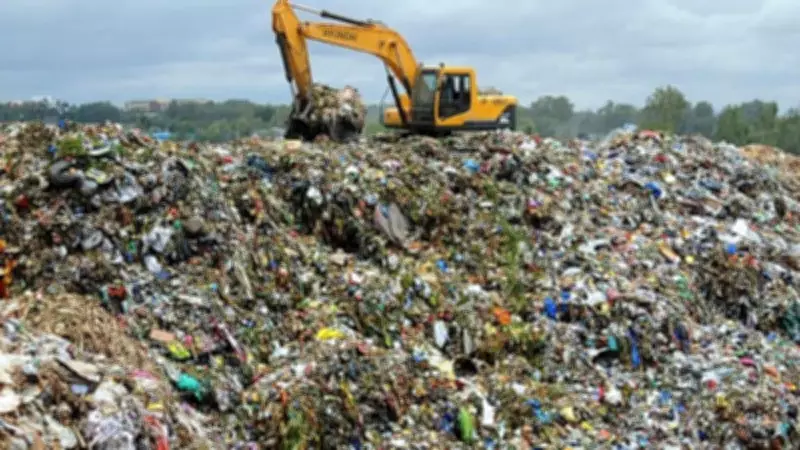
Bengaluru Garbage Dispute Intensifies into Political Slugfest
A routine garbage disposal issue in Bengaluru has rapidly escalated into a full-blown political confrontation, threatening to plunge the city into a sanitation crisis. The dispute, which began over logistical and operational challenges, has now taken on significant political overtones, with key figures from opposing parties trading barbs and warnings.
Warnings of an Impending 'Stenchy' Crisis
In a stark alert issued recently, a prominent political leader, identified as Ashoka, cautioned that Bengaluru could become overwhelmingly 'stenchy' within the next two days if immediate action is not taken. This dire prediction stems from the fact that garbage is not being cleared from various parts of the city, leading to accumulating waste that poses health and environmental risks.
The situation has been exacerbated by the stranding of garbage lorries and auto rickshaws on the outskirts of Bengaluru. These vehicles, essential for waste collection and transportation, are reportedly immobilized due to unresolved disputes or logistical hurdles, further crippling the city's waste management system.

Political Dimensions of the Garbage Row
What started as a municipal issue has quickly morphed into a political slugfest, with different factions using the crisis to score points against each other. The involvement of political figures like Ashoka highlights how local governance challenges are being leveraged for broader political gains, potentially delaying swift resolutions.
Observers note that such disputes often reflect deeper tensions within the city's administrative and political frameworks, where coordination between various agencies and stakeholders breaks down, leading to public inconvenience and health hazards.
Implications for Bengaluru's Residents
The ongoing garbage crisis has direct and immediate implications for the residents of Bengaluru. With waste not being cleared, there is an increased risk of:
- Health hazards from uncollected garbage, including the spread of diseases and pest infestations.
- Environmental degradation as plastic and other non-biodegradable materials accumulate in public spaces.
- Social discomfort due to foul odors and unsightly waste piles, affecting daily life and community well-being.
Moreover, the stranding of vehicles disrupts not only waste management but also local transportation and economic activities, compounding the city's woes.
Looking Ahead: Potential Resolutions and Challenges
As the political slugfest continues, the focus must shift towards finding practical solutions to the garbage disposal problem. Key steps could include:
- Immediate clearance operations to address the backlog of waste and prevent the predicted 'stenchy' conditions.
- Dialogue between political parties and municipal authorities to depoliticize the issue and prioritize public health.
- Long-term reforms in waste management infrastructure to prevent similar crises in the future, such as improving vehicle maintenance and route planning.
However, with political tensions running high, achieving consensus may prove challenging, potentially prolonging the suffering of Bengaluru's citizens.
In summary, the Bengaluru garbage disposal row has transcended its initial scope to become a significant political battle, with warnings of a looming sanitation crisis. As garbage lorries and auto rickshaws remain stranded, the city faces urgent threats to health, environment, and social harmony, underscoring the need for swift and collaborative action beyond political posturing.