Bengaluru Family Stages Unusual 'Human Parcel' Protest Over Escalating Bus Fares
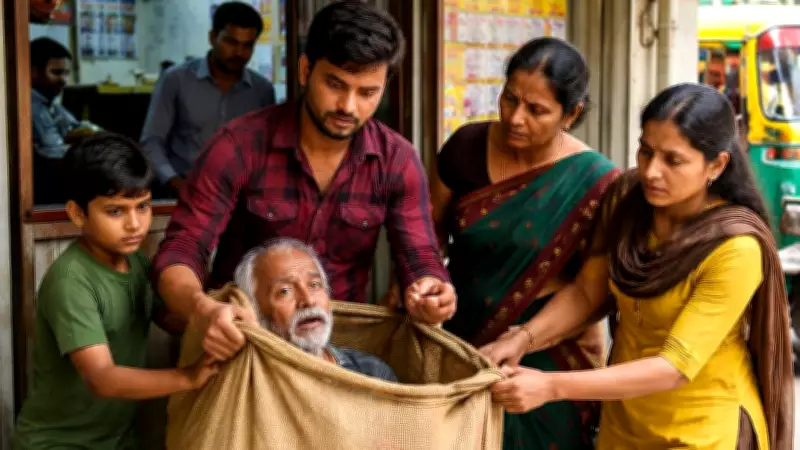
In a startling and unconventional demonstration of public dissent, a family in Bengaluru, Karnataka, attempted to send an elderly man as a "human parcel" to protest against the soaring costs of bus travel. This bizarre stunt, which unfolded on March 17, 2026, was intended as a powerful symbolic message to both authorities and the general public regarding the financial burden imposed by rising fares in both private and government-operated buses.
The Protest's Core Message and Public Reaction
The family's audacious act aimed to draw urgent attention to the escalating transportation expenses that are increasingly straining the budgets of daily commuters. By packaging the elderly man as if he were a parcel, they sought to metaphorically illustrate how citizens feel treated—like mere commodities—amidst fare hikes that lack corresponding improvements in service quality or accessibility.
Public response to the incident has been mixed, with many expressing sympathy for the protesters' frustration over economic pressures, while others criticized the method as extreme and potentially unsafe. The protest underscores a growing sentiment among Bengaluru residents that transportation affordability is becoming a critical issue, affecting mobility and quality of life in the bustling city.
Context of Rising Fares and Broader Implications
This incident occurs against a backdrop of persistent inflation and operational cost increases that have led to frequent fare adjustments across Karnataka's bus networks. Both private operators and state-run services have cited fuel prices, maintenance expenses, and wage demands as key drivers behind the hikes, leaving commuters grappling with higher out-of-pocket costs for essential travel.
The 'human parcel' protest highlights deeper systemic challenges in urban transportation, including the need for more sustainable pricing models, enhanced public subsidies, and greater transparency in fare-setting processes. It also raises questions about the effectiveness of such dramatic demonstrations in prompting policy changes or public dialogue on infrastructure and economic issues.
Authorities' Stance and Future Outlook
While no official statements have been released regarding this specific protest, transportation authorities in Bengaluru have previously acknowledged concerns over fare affordability. However, they often emphasize the balancing act required between covering operational costs and keeping services accessible to all socioeconomic groups.
Looking ahead, this event may spur further discussions on:
- Implementing fare caps or discounts for vulnerable populations like the elderly and low-income groups.
- Exploring alternative funding mechanisms for public transport to reduce reliance on passenger fees.
- Encouraging community-led initiatives to address transportation grievances through more conventional channels.
As Bengaluru continues to grow, the clash between economic realities and public expectations in transportation is likely to remain a contentious issue, with creative protests like this one serving as a stark reminder of the human impact behind statistical fare increases.