Bengaluru's Civic Revival: Elections End 5-Year Political Vacuum
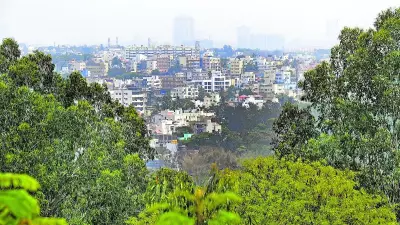
After nearly five years without an elected local body, former councillors across Bengaluru's 198 wards expressed profound relief. The return of municipal elections has finally arrived, bringing long-awaited political activity back to the city's grassroots level.
Restoring Accountability After Prolonged Vacuum
Many former councillors acknowledged that the extended political vacuum significantly weakened local governance. Citizens found themselves increasingly distant from centers of power during these years. In the absence of elected representatives, MLAs and bureaucrats attempted to fill the gap. This arrangement often stretched their capacity beyond reasonable limits, leaving numerous hyperlocal issues unresolved across Bengaluru's neighborhoods.
The revival of ward-level leadership promises to restore much-needed accountability. Citizens will once again have accessible authorities to approach for everyday civic problems. This represents a fundamental shift back toward responsive local governance.

New Faces Enter the Political Arena
Widespread optimism exists about fresh political entrants, particularly youth and women candidates. The elections create unprecedented opportunities for these groups to engage directly with urban governance. Many view this as a positive development that could bring new perspectives to Bengaluru's complex challenges.
However, an undercurrent of concern persists among seasoned politicians. They question whether inexperienced candidates can effectively navigate the intricate realities of urban governance. Budget management, contractor oversight, coordination with multiple agencies, and bureaucratic navigation all demand substantial experience.
Delimitation Creates Political Uncertainty
The Greater Bengaluru Authority's delimitation process has introduced significant complications. Ward restructuring expanded the number from 198 to 369, fundamentally altering Bengaluru's political landscape. Several former councillors allege this restructuring weakened established political bases and unpredictably changed voter behavior.
Former mayor Goutham Kumar expressed particular concern about this process. "The manner in which the Greater Bengaluru Authority carried out delimitation is deeply troubling," he stated. "Wards were split arbitrarily to suit political convenience, making outcomes appear predictable. This alleged manipulation must be closely scrutinised during the elections."
Cross-Party Perspectives on the Elections
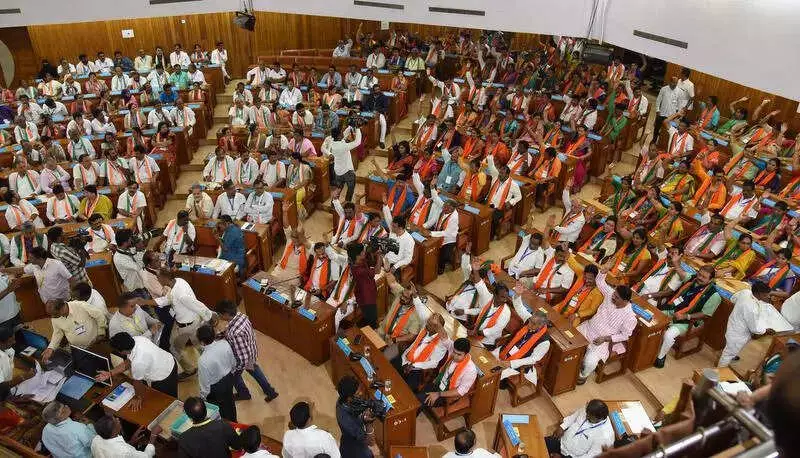
Across political parties, former councillors agreed on one fundamental point: these elections were long overdue and absolutely necessary. Despite concerns about implementation, the consensus recognizes elections as preferable to continued political vacuum.
Former Congress councillor Abdul Wajib highlighted the positive aspects. "There is genuine excitement on the ground as political activity has finally resumed," he noted. "The election opens the door for new entrants, especially young people who often complain about the city but now have an opportunity to engage with governance firsthand."
Former BJP councillor Umesh Shetty presented a different perspective. "The BJP has been severely impacted by the GBA's flawed delimitation," he explained. "Stronghold areas such as RR Nagar and Yeshwanthpur were deliberately fragmented. Govindarajanagar alone was split into 13 wards in a way that appears to favour Congress."
Women's Reservation and Its Implementation
The 50% reservation for women candidates represents a significant development in Bengaluru's political landscape. Many view this as an empowering step that could transform local governance. However, questions remain about implementation sincerity.
Umesh Shetty expressed reservations about how this policy is unfolding. "While I support women's reservation, its implementation seems to benefit political families rather than genuinely empower women," he observed.

Former BJP councillor Shwetha HR highlighted practical challenges. "Citizens bear the brunt of this process," she noted. "With wards fragmented into smaller units, people lose a clear leader to turn to for help. Traditional voter bases have been divided, causing confusion and weakening representation."
Testing Ground for New Political Entrants
Most former councillors view this election phase as a crucial testing ground. New entrants will either demonstrate their capability to handle complex urban governance or reveal the limitations of political inexperience. The outcome will significantly influence Bengaluru's political future.
JD(S) representative Ramila R offered an optimistic perspective. "With many new wards created, both experienced functionaries and fresh faces have a fair chance this time," she said. "Citizens have come to realise the importance of having a local representative, particularly when MLAs are not always accessible."
Former Congress councillor Asha emphasized the restoration of direction. "After nearly five years, elections bring much-needed clarity," she stated. "Local bodies had been functioning without direction, often like headless chickens. Now, accountability is back."
Looking Toward Bengaluru's Political Future
Despite various concerns, former councillors largely agree that these elections represent a necessary reset for Bengaluru's governance. The Supreme Court's directions made further delays impossible, forcing the political process forward.
Former councillor Padmavathi G highlighted the positive long-term implications. "Reviving local bodies is a very positive development," she emphasized. "It is heartening to see youngsters and newcomers stepping into politics—they will gain firsthand experience of governance, and some may even rise to become MLAs in the future."
JD(S) representative M Anand focused on practical benefits. "For years, the absence of local bodies was keenly felt," he recalled. "While elections are welcome, the real question is whether the govt will genuinely empower councillors. MLAs cannot address every local issue, and the councillor remains the closest authority for citizens."
The elections mark a critical juncture for India's technology capital. As Bengaluru continues its rapid expansion, effective local governance becomes increasingly essential. These municipal elections represent both an opportunity and a challenge for India's most dynamic metropolitan region.