Bengaluru Faces Auto Rickshaw Shortage Amid Cab Booking Woes
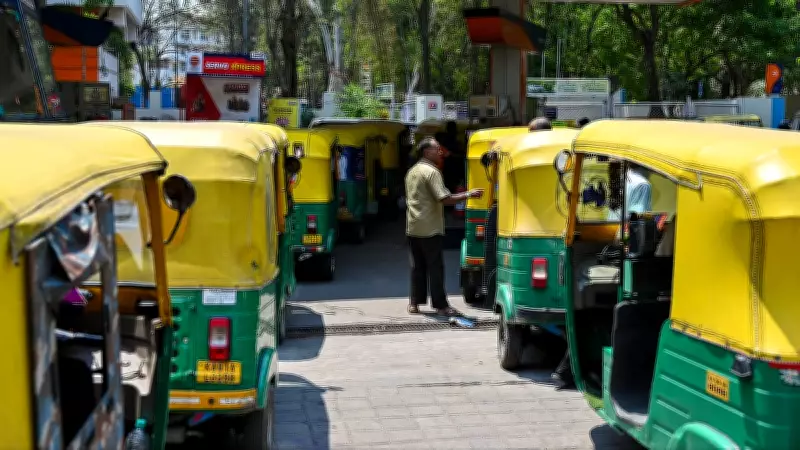
Commuters in Bengaluru are experiencing a noticeable dip in the number of auto rickshaws plying on the city's roads, exacerbating transport difficulties. This decline comes at a time when many residents are finding it increasingly challenging to book cabs through ride aggregator platforms without offering substantial tips.
Commuters Report Booking Challenges with Ride Aggregators
According to recent reports, individuals opting for auto rickshaws have stressed that securing a cab has become close to impossible during peak evening hours unless they add a tip exceeding Rs 50. This situation has forced many to rely more heavily on autos, despite their reduced availability, leading to longer wait times and higher fares.
Impact on Daily Commutes and Urban Mobility
The combination of fewer auto rickshaws and difficult cab bookings is creating significant disruptions in Bengaluru's daily commute patterns. Asra Mavad, a source familiar with the issue, highlighted that this trend is particularly pronounced in the evenings, when demand for transport spikes. The reliance on ride aggregators, which often require tips to secure rides, is pushing commuters towards alternative modes, but the auto shortage limits options.

Key factors contributing to this transport crisis include:
- Increased operational costs for auto drivers, leading some to reduce shifts or exit the market.
- Algorithmic pricing on ride aggregator apps that incentivize drivers to wait for higher-paying trips with tips.
- Growing urban population and traffic congestion, straining existing transport infrastructure.
Broader Implications for Bengaluru's Transport Ecosystem
This development underscores broader issues in Bengaluru's mobility landscape, where reliance on both traditional autos and modern ride-hailing services is proving unsustainable. The city, known for its tech hubs and bustling streets, now faces a critical need for integrated transport solutions to address these gaps. Public authorities and private operators may need to collaborate on initiatives to boost auto availability and regulate ride aggregator practices.
As of 01 April 2026, the situation remains unresolved, with commuters calling for immediate action to improve transport accessibility. The visible dip in autos, coupled with cab booking hurdles, serves as a wake-up call for urban planners and policymakers to prioritize reliable and affordable mobility options in India's Silicon Valley.