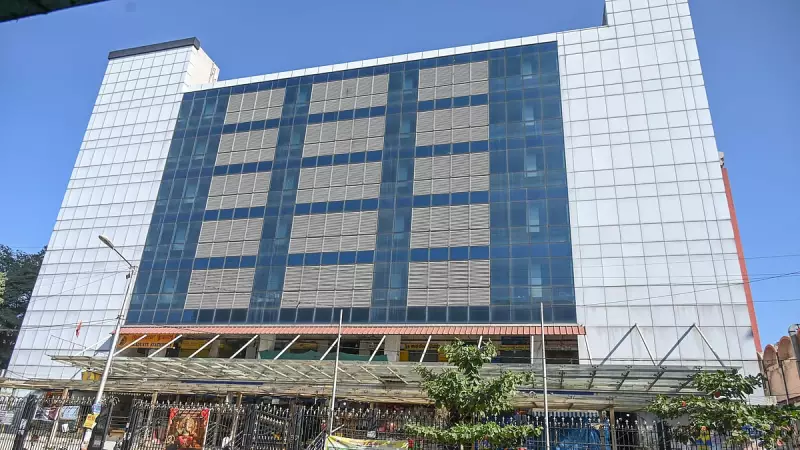
The Bangalore Development Authority (BDA) has officially abandoned its ambitious plan to redevelop the iconic Jayanagar Shopping Complex in Bengaluru, a project that had been mired in controversy and public opposition for years. This decision marks a significant shift in urban planning strategy for one of the city's most prominent commercial hubs.
Background of the Controversial Project
The redevelopment proposal, which was initially unveiled several years ago, aimed to transform the aging shopping complex into a modern, multi-story structure with enhanced facilities and increased commercial space. The BDA had envisioned a comprehensive revamp that would include new retail outlets, parking areas, and improved infrastructure to cater to the growing needs of Bengaluru's residents. However, the plan quickly faced stiff resistance from various stakeholders, including local shop owners, residents, and heritage conservationists.
Reasons for the Project's Demise
Several key factors contributed to the BDA's decision to drop the revamp project. Public opposition emerged as a primary concern, with many arguing that the redevelopment would disrupt the character of the neighborhood and lead to the displacement of long-standing businesses. Additionally, logistical challenges, such as the complex's structural constraints and the need for extensive approvals, made the project increasingly unfeasible. The BDA also cited financial considerations, as the estimated costs had escalated significantly over time, raising questions about the project's economic viability.

Impact on Bengaluru's Urban Landscape
The abandonment of the Jayanagar Shopping Complex revamp has broader implications for Bengaluru's urban development. It highlights the growing influence of community voices in shaping city planning decisions and underscores the challenges authorities face in balancing modernization with preservation. The complex, which has been a landmark in Jayanagar since its establishment, will now remain in its current form, at least for the foreseeable future. This outcome may set a precedent for other redevelopment projects in the city, encouraging more inclusive and consultative approaches.
Future Prospects and Alternatives
While the BDA has dropped the comprehensive revamp plan, there is speculation about potential alternative measures to improve the shopping complex. Minor upgrades and maintenance work could be undertaken to address immediate concerns without altering the structure's fundamental layout. The authority might also explore phased renovations or public-private partnerships to enhance facilities in a more sustainable manner. Moving forward, stakeholders are calling for greater transparency and community engagement in any future initiatives related to the complex.
In conclusion, the BDA's decision to abandon the Jayanagar Shopping Complex revamp reflects a pragmatic response to public sentiment and practical hurdles. It serves as a reminder of the complexities involved in urban redevelopment in a rapidly evolving city like Bengaluru, where heritage and progress often collide.