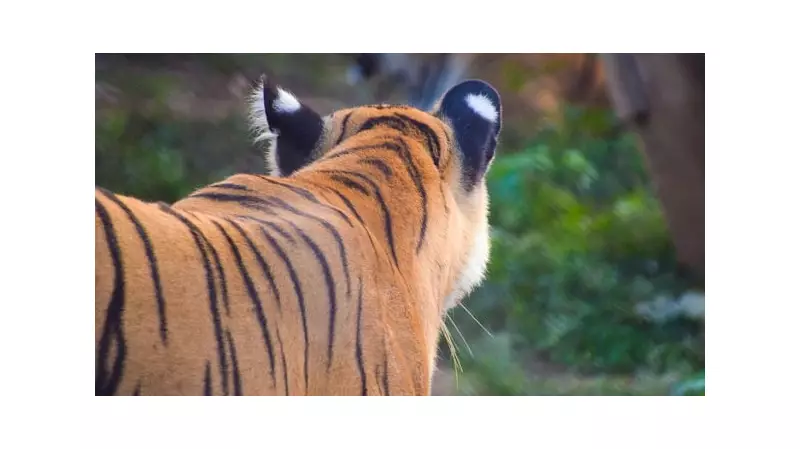
A tragic incident at the Bandipur Tiger Reserve in Karnataka has resulted in the death of a forest department staff member following a sudden tiger attack. The event underscores the persistent dangers faced by personnel working on the frontlines of wildlife conservation.
Details of the Tragic Incident
The fatal encounter occurred on 27 December 2025. According to official accounts, the staff member was attacked by a tiger that was concealed in dense bush. S Prabhakaran, the Conservator of Forests for Bandipur Tiger Reserve (BTR), provided crucial details, stating that the big cat launched a surprise assault from behind, specifically targeting the victim's head.
The sudden and violent nature of the attack left little opportunity for defense or escape. This incident highlights the ever-present risks in one of India's most renowned tiger habitats, where human-wildlife interactions, though managed, can turn deadly in an instant.

Official Response and Context
While the identity of the deceased staff member was not immediately disclosed in the initial report, the forest department confirmed the fatality. Authorities are expected to conduct a thorough review of the circumstances surrounding the attack. Such reviews are standard procedure and aim to assess whether any protocols can be strengthened to enhance staff safety in the future.
Bandipur, part of the larger Nilgiri Biosphere Reserve, is home to a significant population of Bengal tigers. While the reserve is a success story for tiger conservation, it also creates a challenging environment where the territories of these apex predators and the duties of forest staff inevitably intersect.
Broader Implications for Wildlife Management
This unfortunate event brings the focus back to the immense challenges and personal sacrifices involved in protecting India's national animal. Forest guards, watchers, and other staff routinely patrol deep inside reserves, often on foot, to monitor wildlife, prevent poaching, and manage habitats.
Their work is critical to the survival of species like the tiger, but it carries inherent peril. This attack in Karnataka serves as a somber reminder of those dangers. It also sparks ongoing conversations about:
- Enhanced safety measures for frontline forest personnel.
- Continuous training for handling unexpected wildlife encounters.
- The complex balance between active conservation efforts and human safety in protected areas.
The forest department and the community are likely mourning the loss of a colleague dedicated to the preservation of Karnataka's natural heritage. The incident stands as a stark testament to the risks embedded in the vital work of wildlife conservation.