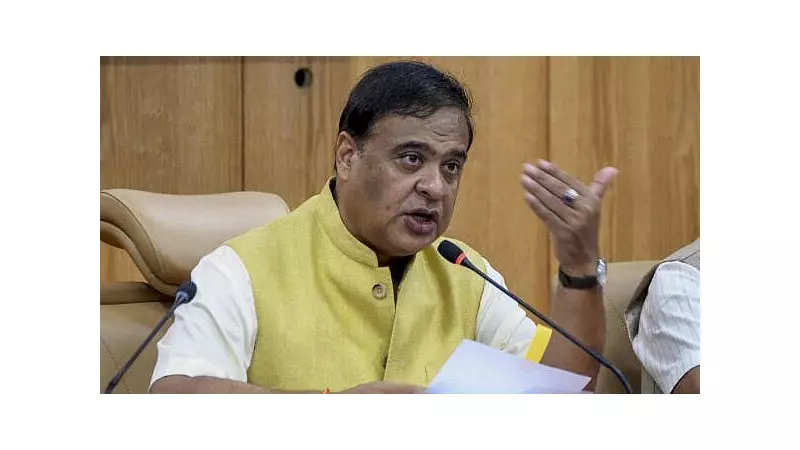
The Assam government has officially presented the long-awaited Mehta Commission report detailing the horrific poll violence that shook the state in 1983. This historic document sheds new light on one of India's darkest chapters - the Nellie massacre that claimed over 2,100 lives in a single night.
The Historical Context of Assam Agitation
The violence occurred during the Assam Agitation, a six-year movement that spanned from 1979 to 1985. This massive public protest was primarily directed against illegal infiltration into the northeastern state. The movement created widespread social and political tensions across Assam, culminating in the tragic events of 1983.
The Assam Agitation represented one of the most significant political movements in India's post-independence history, with millions participating in demonstrations against the central government's perceived indifference to migration issues.
The Horrific Nellie Massacre
On February 18, 1983, the small village of Nellie in central Assam became the epicenter of unimaginable violence. During state assembly elections, armed mobs descended upon the area, resulting in the deaths of more than 2,100 people within hours.
The death toll from the Nellie massacre remains one of the highest in India's history of electoral violence. Most victims belonged to minority communities, primarily Bengali-speaking Muslims, who were targeted by protestors opposing the participation of undocumented migrants in the electoral process.
Eyewitness accounts described scenes of unprecedented brutality, with entire families wiped out and villages left decimated. The scale and speed of the violence shocked the nation and drew international condemnation.
Commission's Investigation and Findings
The Mehta Commission was established to conduct a thorough investigation into the circumstances surrounding the massacre. Headed by Justice T.P. Mehta, the commission spent years gathering evidence, interviewing survivors, and documenting the events that led to the tragedy.
The commission's report examines multiple aspects of the violence, including the political climate, administrative failures, law enforcement responses, and the role of various stakeholders during the critical period.
Despite completing its investigation decades ago, the report's findings remained largely inaccessible to the public until the current Assam government decided to table the document in the legislative assembly.
The release of the Mehta Commission report represents a significant step toward acknowledging historical truths and providing closure to survivors and victims' families who have waited for official recognition of their suffering for nearly four decades.