Assam Assembly Elections: NDA Seat-Sharing Pact Unveiled by Chief Minister Himanta Biswa Sarma
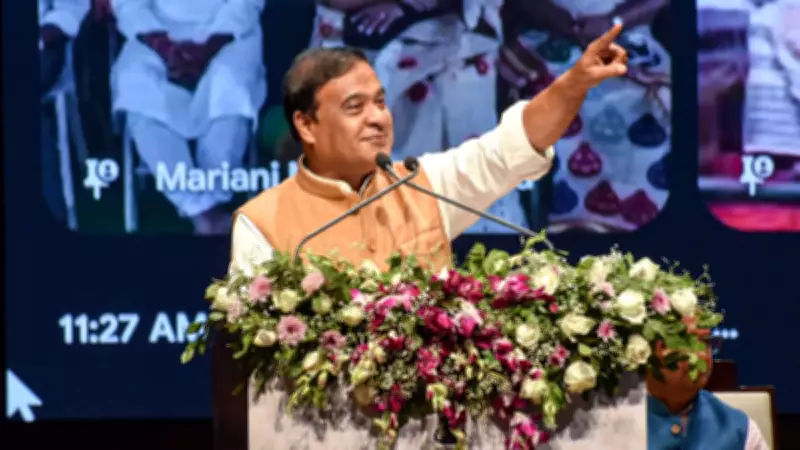
In a significant political development ahead of the Assam assembly elections, Chief Minister Himanta Biswa Sarma has publicly revealed the seat-sharing arrangement within the National Democratic Alliance (NDA). This announcement provides clarity on the electoral strategy of the ruling coalition as it prepares to contest the upcoming polls.
Detailed Breakdown of Seat Allocation
The NDA's seat-sharing pact allocates a total of 126 seats among its three major constituents. According to the details disclosed by Chief Minister Sarma, the Bharatiya Janata Party (BJP) will contest 89 seats, the Asom Gana Parishad (AGP) will field candidates in 26 constituencies, and the Bodoland People's Front (BPF) has been allotted 11 seats. This distribution reflects the coalition's efforts to balance regional representation and consolidate its voter base across Assam.
Strategic Implications for the Upcoming Elections
This seat-sharing agreement is a critical component of the NDA's campaign strategy, aiming to maximize electoral gains by leveraging the strengths of each alliance partner. The BJP, as the dominant force, will focus on a broad spectrum of constituencies, while the AGP and BPF are expected to concentrate on regions where they hold significant influence. The pact underscores the coalition's commitment to a unified approach in the face of opposition challenges.
Chief Minister Himanta Biswa Sarma emphasized that this arrangement was reached after extensive discussions among the alliance partners, highlighting the collaborative spirit within the NDA. He expressed confidence that this strategic distribution would enhance the coalition's prospects in the assembly elections, which are pivotal for determining the state's political future.
Context and Broader Political Landscape
The revelation of the seat-sharing pact comes at a crucial juncture, with political parties intensifying their preparations for the elections. Assam's assembly comprises 126 seats, making this allocation a near-complete coverage by the NDA. The BJP's substantial share of 89 seats indicates its central role in the alliance, while the AGP and BPF's allocations are tailored to their regional strongholds, particularly in areas with distinct ethnic and cultural demographics.
This development is expected to shape the electoral narrative, as opposition parties are likely to respond with their own strategies. The NDA's cohesion and the effectiveness of this seat-sharing model will be closely watched by political analysts and voters alike, as it could influence outcomes in a highly competitive political environment.
In summary, the disclosure of the NDA's seat-sharing pact by Chief Minister Himanta Biswa Sarma marks a key milestone in the run-up to the Assam assembly elections. With the BJP contesting 89 seats, AGP 26, and BPF 11, the alliance aims to present a united front, setting the stage for a closely contested electoral battle that will determine the state's governance for the coming term.