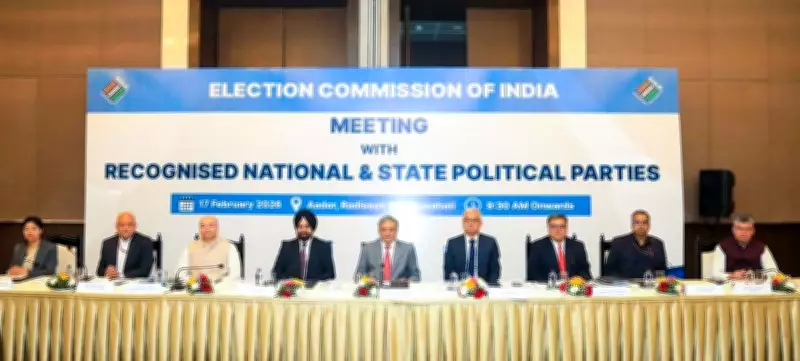
Assam Political Parties Unite in Appeal to Election Commission
In a significant development ahead of the upcoming state assembly elections, major political parties in Assam have come together to make a unified request to the Election Commission of India (ECI). The parties are urging the poll body to conduct the elections in a streamlined manner, specifically requesting that they be held in either one or two phases. This collective appeal highlights the growing consensus among political stakeholders in the state regarding the need for efficient and secure electoral processes.
Logistical and Security Concerns Drive the Request
The primary motivation behind this request stems from substantial logistical and security challenges. Assam, with its diverse geography and population distribution, often faces complexities during multi-phase elections. By reducing the number of phases, parties argue that it would minimize disruptions, enhance voter turnout, and allow for better deployment of security forces. This move is seen as a proactive step to ensure a smooth and incident-free polling process, which is crucial for maintaining democratic integrity in the region.
Historical Context and Current Implications
Historically, Assam has witnessed assembly elections conducted over multiple phases, sometimes extending to three or more, due to its vast and varied terrain. However, recent experiences have prompted parties to reconsider this approach. The appeal reflects a broader trend in Indian politics where regional parties are increasingly vocal about election management strategies. If the ECI accedes to this request, it could set a precedent for other states with similar logistical hurdles, potentially influencing future electoral frameworks across the country.

Potential Impact on Voter Engagement and Political Dynamics
A condensed polling schedule could have far-reaching effects on voter engagement and political campaigning. With fewer phases, political parties might be able to focus their resources more effectively, leading to intensified outreach efforts. Additionally, voters could benefit from a more cohesive electoral timeline, reducing confusion and encouraging higher participation. This development underscores the evolving nature of electioneering in India, where practical considerations are gaining prominence alongside traditional political strategies.
Looking Ahead: Election Commission's Response and Future Steps
As the Election Commission reviews this appeal, all eyes are on how it will balance the parties' requests with its own operational requirements. The decision could significantly shape the electoral landscape in Assam and beyond. Stakeholders are hopeful that a collaborative approach will lead to an election process that is not only efficient but also robust in upholding democratic values. This story continues to unfold, with implications for governance and political stability in the region.