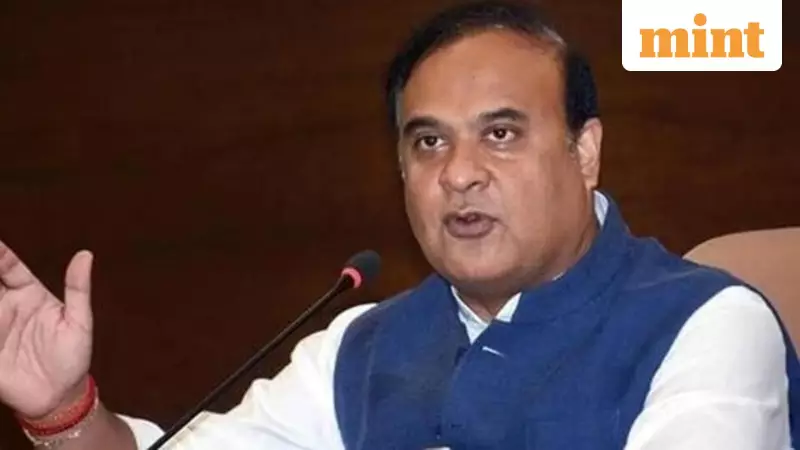
In a landmark legislative move, the Assam Assembly has approved groundbreaking legislation that prohibits polygamy across the state, marking a significant step toward implementing the Uniform Civil Code. The bill, passed on Thursday, introduces severe penalties including imprisonment of up to ten years for offenders.
Historic Legislation Against Polygamy
Assam Chief Minister Himanta Biswa Sarma, who also oversees the home and political departments, championed the Assam Prohibition of Polygamy Bill, 2025 through the state assembly. The legislation defines polygamy as the act of marrying or being married to another person when either party already has a legally valid marriage or a living spouse from whom they are not legally divorced.
Under the new provisions, individuals entering into polygamous marriages face imprisonment of up to seven years along with financial penalties. The law becomes even more stringent for those who conceal existing marriages while entering subsequent ones, prescribing a maximum sentence of ten years in prison plus fines. Repeat offenders will face double the punishment for every subsequent violation.
Exemptions and Political Response
The legislation includes specific exemptions for communities governed by special constitutional provisions. Individuals belonging to Scheduled Tribes and those residing in areas under the Sixth Schedule will not be subject to the new anti-polygamy law.
Despite Chief Minister Sarma's appeal for unanimous support, opposition parties including AIUDF and CPI(M) proposed amendments to the bill. CPI(M) legislator Manoranjan Talukdar specifically requested that the legislation be referred to a Select Committee for more detailed examination. However, these proposed modifications were ultimately rejected through a voice vote in the assembly.
Roadmap to Uniform Civil Code
Chief Minister Sarma clarified that the polygamy ban represents a crucial milestone toward implementing a comprehensive Uniform Civil Code in Assam. He emphasized that the legislation is religion-neutral and not targeted specifically at Islamic practices.
"This bill will cover people from Hindu, Muslim, Christian and all other societies," Sarma stated during the assembly session. "The Hindus are not free from polygamy. That's also our responsibility."
In a significant political commitment, the Chief Minister vowed to implement the complete Uniform Civil Code if his government returns to power following the state assembly elections, expected in March or April 2026. "I assure the House that if I return as CM, the UCC bill will be tabled in the first session of the new government and will be implemented," Sarma declared.
The Chief Minister also announced plans to introduce additional legislation targeting deceptive marriages by the end of February, addressing concerns commonly referred to as "love jihad" in political discourse.