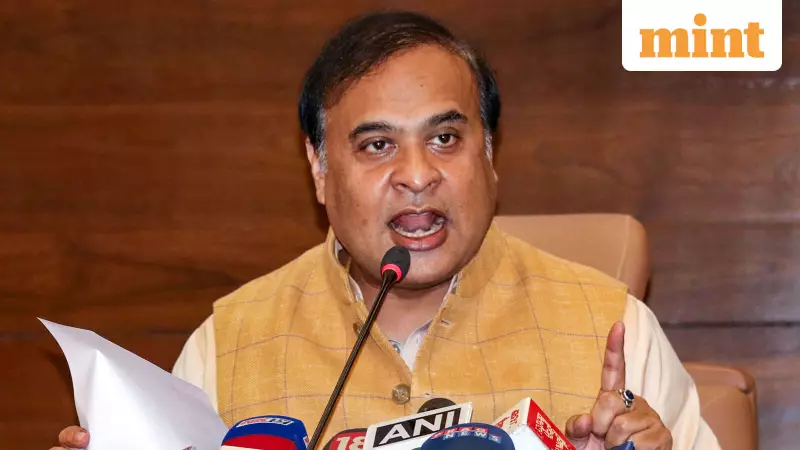
In a significant move toward social reform, the Assam government has taken a decisive step to prohibit polygamy across the state. Chief Minister Himanta Biswa Sarma announced that the state cabinet has approved a groundbreaking bill that could see individuals convicted of polygamy facing severe legal consequences.
Key Provisions of The Assam Prohibition of Polygamy Bill, 2025
During a press conference held after a cabinet meeting on Sunday, Chief Minister Sarma revealed crucial details about the proposed legislation. The bill, officially named 'The Assam Prohibition of Polygamy Bill, 2025', is scheduled to be presented before the state assembly on November 25 for formal consideration and approval.
The legislation outlines strict penalties for those found guilty of practicing polygamy. Convicted individuals may face rigorous imprisonment for up to seven years, marking one of the toughest stances against the practice in recent Indian history. However, the bill acknowledges certain regional considerations, with potential exceptions being made for areas falling under the Sixth Schedule of the Indian Constitution.

Financial Support for Women Victims
In a parallel initiative focused on victim support, the Assam government has announced the creation of a special compensation fund. This fund is specifically designed to assist women who have been victims of polygamous marriages, ensuring they receive necessary financial assistance to rebuild their lives without facing economic hardship.
"We have also decided to create a fund to give compensation to the victim women," Sarma stated. "The government will help with financial support in the required cases so that no woman faces hardship in her life." This comprehensive approach addresses both prevention through legal measures and rehabilitation through financial support.
Broader Legal Context and Recent Precedents
The Assam government's move comes amid growing judicial scrutiny of polygamy practices across India. Earlier in September, the Kerala High Court made significant observations regarding multiple marriages within the Muslim community. The court explicitly stated that it cannot accept multiple marriages by a Muslim man when he lacks the capacity to maintain his wives, particularly when one of them approaches the court seeking maintenance.
This observation was made by Justice P V Kunhikrishnan while hearing a case where a 39-year-old woman from Perinthalmanna sought monthly maintenance of ₹10,000 from her husband, who reportedly survives by begging. This judicial stance highlights the increasing legal recognition of the economic vulnerabilities faced by women in polygamous relationships.
The Assam government's proactive legislation represents a significant step toward uniform civil code principles and women's empowerment, potentially setting a precedent for other states to follow in addressing similar social issues.