Ajit Pawar's Transformative Leadership in Beed District Cut Short by Sudden Demise
In January 2025, when Deputy Chief Minister Ajit Pawar assumed the role of guardian minister for Beed district in Maharashtra, he inherited a region grappling with significant challenges. The district was at its lowest point, plagued by lawlessness and deep-seated caste conflicts following the brutal abduction and murder of Massajog sarpanch Santosh Deshmukh. Residents, weary of instability, placed their hopes in the veteran politician to bring about meaningful change.
Immediate Action on Law and Order
Recognizing the urgent need for stability, Pawar wasted no time addressing the district's security concerns. Immediately after taking charge, he issued strict instructions to local police authorities to take decisive action against criminal elements operating in the area. In a significant move, he even cautioned his own party workers against misusing political connections for personal gain, demonstrating his commitment to impartial governance.
Infrastructure Development Push
Beyond addressing immediate security concerns, Pawar focused on long-term development initiatives that had eluded Beed for decades. He made multiple visits to the district, personally overseeing the launch of several key projects that promised to transform the region's infrastructure landscape.

Major initiatives included:
- Development of a new airport facility
- Establishment of a Centre for Invention, Innovation, Incubation and Training
- Construction of a modern sports complex
- Conservation efforts for the ancient Kankaleshwar temple
Historic Railway Connectivity Achievement
One of Pawar's most significant accomplishments was bringing Beed onto India's railway map after more than seven decades of waiting. Since Independence, the district had remained disconnected from the national rail network, hindering economic growth and connectivity. On September 17, 2025—Marathwada Liberation Day—the first train finally began operating on the Beed-Ahilyangar route, marking a historic moment for the region.
Record Financial Allocation for Development
In his final meeting with the District Planning and Development Council, Pawar sanctioned an unprecedented Rs 575 crore for various public projects throughout Beed. This record allocation demonstrated his serious commitment to the district's transformation. On January 24, the first installment of Rs 22.3 crore was specifically released for critical road improvement works, addressing one of the area's most pressing infrastructure needs.
Community Response and Mourning
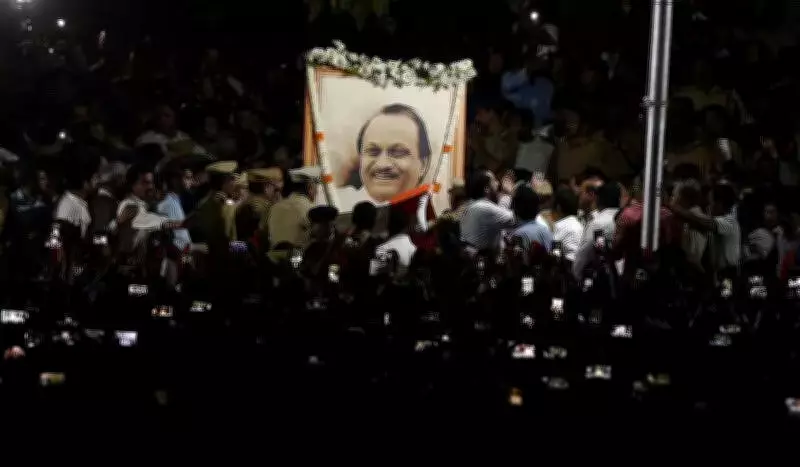
Just as Beed residents were beginning to see tangible progress and rekindle hopes for their district's future, news of Pawar's sudden demise spread throughout the region. In a spontaneous show of respect, different markets and shops across Beed voluntarily closed on Wednesday as business owners paid tribute to the leader they had come to regard as their true guardian.
Local businessman Prashant Vaidya reflected the community's sentiment, stating, "Beed had started seeking positive changes after a long gap under Pawar's leadership. Within a year, he had taken up several public works. He visited Beed on multiple occasions and interacted with people from different walks of life. Pawar was a true guardian of Beed."
Focus on Basic Civic Issues
Another resident, Yashwant Joshi, highlighted Pawar's practical approach to governance: "He specifically asked officials and politicians to first pay attention to basic civic issues. He zeroed in on long-pending problems including garbage disposal, erratic water supply, and poor roads—the fundamental concerns affecting daily life in Beed."
Political Transformation and Social Harmony
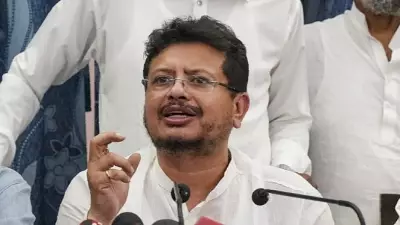
NCP's Beed district president Rajeshwar Chavan noted Pawar's dedication to the district's development agenda: "He took over as guardian minister amid huge turmoil in Beed. He focused on development projects and repeatedly appealed to residents for social harmony by setting aside caste differences. We are at a loss for words to express our sadness at his passing."

On the political front, Pawar engineered a significant shift in Beed's political landscape by successfully challenging the politically dominant Kshirsagar family during recent municipal council elections, demonstrating his ability to navigate complex political dynamics while pushing for development.
The sudden end to Ajit Pawar's tenure leaves behind a district that had just begun experiencing transformative changes under his leadership, with residents now mourning not just a political leader, but what many considered their genuine guardian who had brought hope to one of Maharashtra's most backward regions.