Karnataka's Dharwad District to Revolutionize Land Surveys with 5,000 Rovers
In a significant move to streamline land administration, Karnataka's Dharwad district is set to deploy 5,000 advanced rovers, transforming the previously cumbersome survey process into a fast-track operation. This initiative aims to address long-standing delays that have plagued applicants for years.
Ending the Wait: From Months to Minutes
Until now, individuals seeking land surveys in Dharwad had to navigate a slow and inefficient system. Applicants were required to submit their requests through the state's Bhoomi portal, only to face extended waiting periods—often stretching for months. The primary culprits behind these delays were severe staff shortages and unpredictable adverse weather conditions, which frequently halted fieldwork and compounded backlogs.
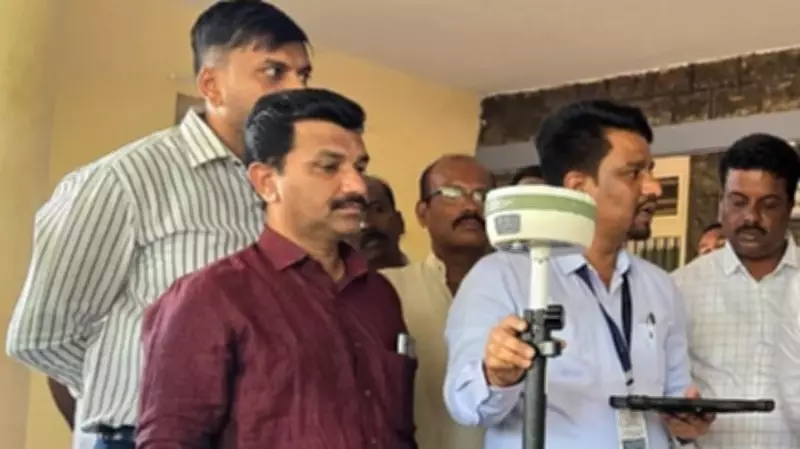
The introduction of 5,000 rovers marks a technological leap forward, designed to automate and expedite the survey process. These devices will enable rapid data collection and processing, significantly reducing dependency on manual labor and minimizing disruptions from environmental factors.

Impact on Land Management and Governance
This deployment is expected to have far-reaching benefits for both residents and the local government. Key advantages include:
- Faster turnaround times for survey requests, enhancing efficiency in property transactions and dispute resolutions.
- Improved accuracy in land records, reducing errors and potential legal conflicts.
- Greater accessibility for citizens, as the Bhoomi portal will integrate seamlessly with rover data for real-time updates.
By leveraging this technology, Dharwad sets a precedent for other districts in Karnataka and beyond, showcasing how innovation can overcome traditional administrative hurdles. The move aligns with broader efforts to digitize and modernize land management systems across India, promoting transparency and ease of doing business.
As of February 2026, this initiative is poised to roll out, promising a new era of efficiency in land surveys. Stakeholders anticipate that it will not only alleviate current bottlenecks but also foster economic growth by facilitating smoother land-related processes.